Laura's Selection
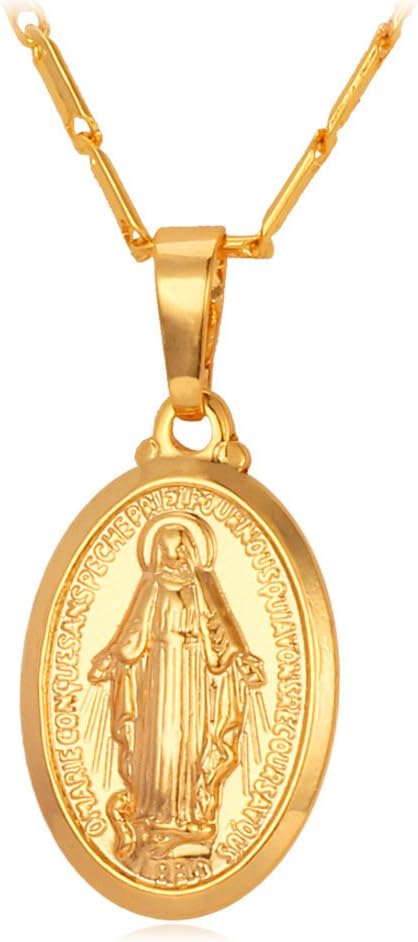
U7 Virgin Mary Necklace for Women,18K Gold Plated/Sterling Silver
18K Gold Plated / Baño de Oro 18K con acabado de orfebrería fina.
Prime Delivery Guaranteed
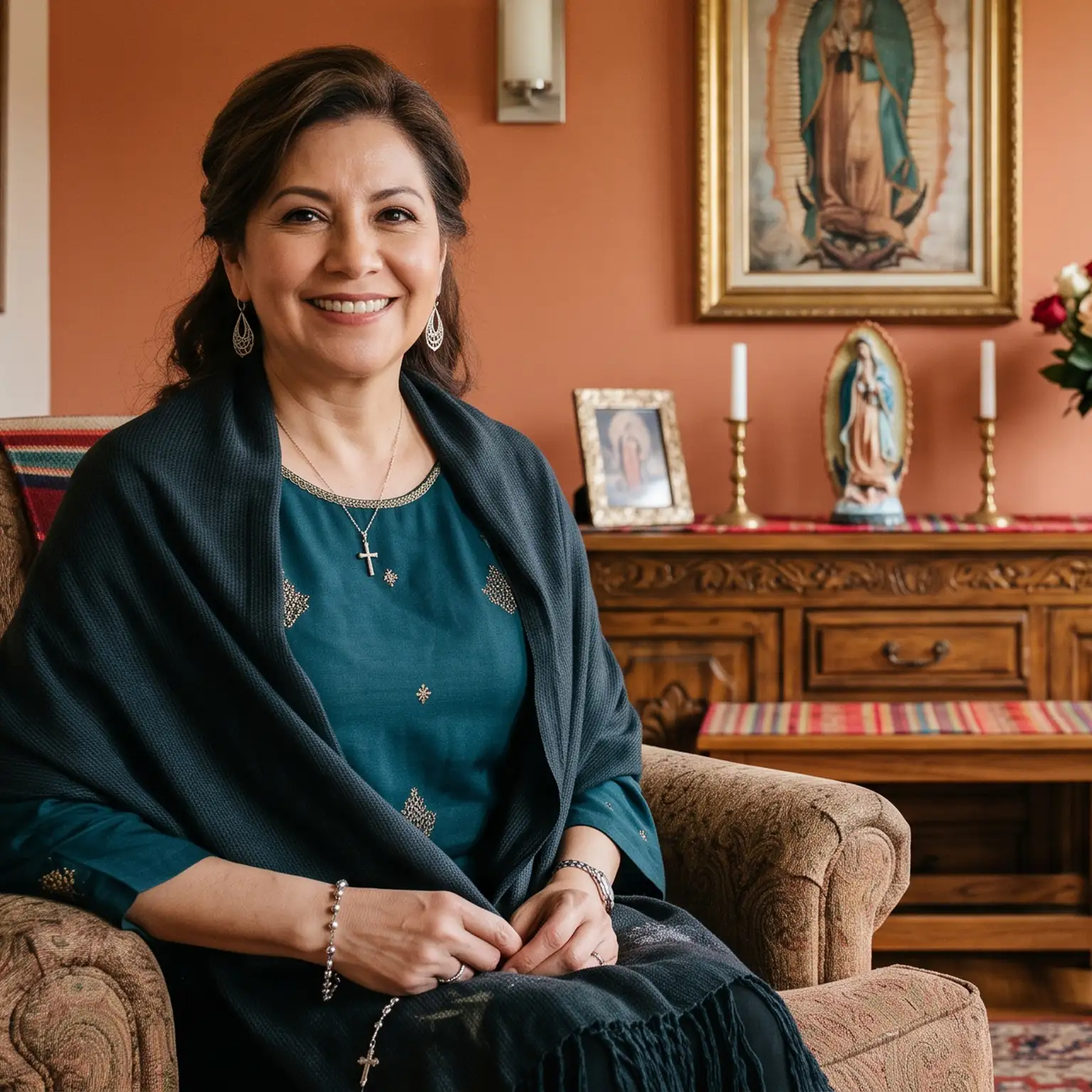
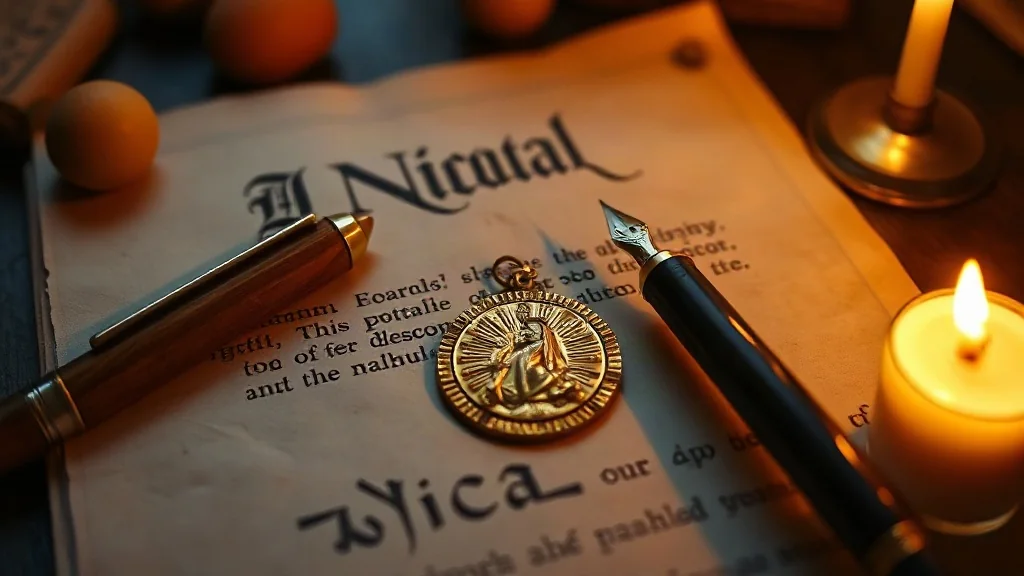
The *Nican Mopohua* stands as more than a mere historical chronicle; it is a spiritual monument, a literary bridge between two worlds, and the foundational narrative of the most profound Marian devotion in the Americas. Translated from the Nahuatl as "Here it is narrated," this text serves as the primary witness to the apparitions of the Virgin of Guadalupe to the humble Juan Diego Cuauhtlatoatzin on the hill of Tepeyac. For the Catholic researcher and the devotee alike, the *Nican Mopohua* is not simply a record of events but a theological revelation expressed through the linguistic and cultural sensibilities of the indigenous peoples of Mexico. It captures a moment of divine intersection where the Eternal Word, through the mediation of the Mother, chooses to speak in the tongue of the marginalized, validating their dignity and incorporating them into the mystical Body of Christ. From a curatorial and devotional perspective, the significance of this text lies in its ability to synthesize the transcendental nature of the Gospel with the specific ancestral identity of the Nahua people. The *Nican Mopohua* does not merely describe a miracle; it establishes a new spiritual geography. By detailing the sequence of apparitions, the dialogue between the celestial and the earthly, and the eventual manifestation of the image on the *tilma*, the text transforms a physical location—Tepeyac—into a sanctuary of grace. It provides the narrative legitimacy for a devotion that has sustained millions, offering a vision of Mary not as a distant queen, but as a compassionate mother who identifies with the suffering and the hopes of her children, thereby weaving the fabric of Mexican identity into the broader tapestry of Universal Church history.
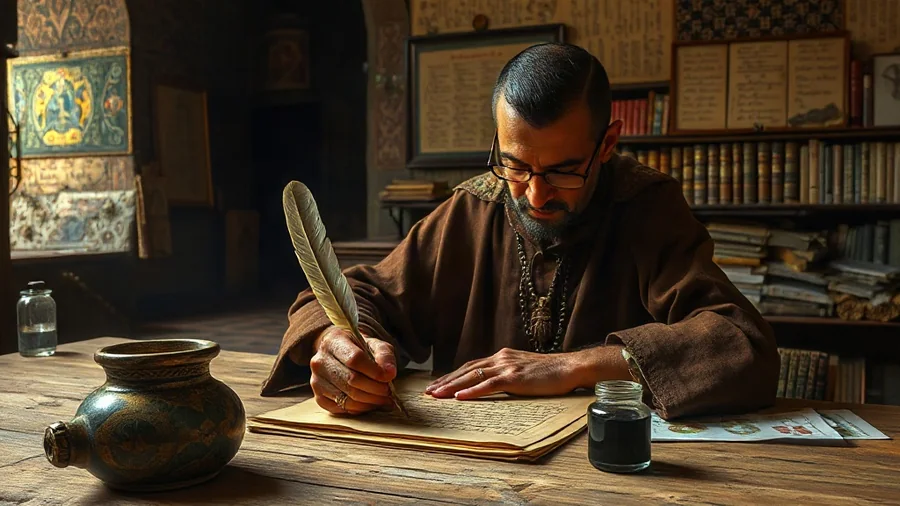
To approach the *Nican Mopohua* with academic rigor, one must first navigate the complex waters of its authorship and dating. While the events it describes are situated in 1531—specifically "ten years after the conquest of Mexico"—the composition of the text itself is a subject of scholarly deliberation. The prevailing academic consensus often points to the year 1556, though a significant current of research suggests an earlier window between 1545 and 1548. The attribution is traditionally linked to Antonio Valeriano, a brilliant indigenous intellectual formed at the Colegio de Santa Cruz de Tlatelolco. Valeriano, as a governor of Mexico-Tenochtitlan and a man of immense erudition, possessed the unique linguistic capacity to compose a text in classical Nahuatl that was simultaneously reverent, rhetorically sophisticated, and theologically sound.
The chronology of the events narrated is precise and follows a liturgical rhythm. It begins on December 9, 1531, when Juan Diego, while journeying to Mass, encounters the Virgin Mary. The narrative unfolds through a series of five apparitions, creating a tension between the divine mandate and human skepticism. The interaction with Bishop Juan de Zumárraga is central to the plot; the Bishop’s demand for a sign reflects the ecclesiastical prudence of the era. The climax occurs on December 12, when the miracle of the Castilian roses—blooming in the dead of winter on a rocky hill—serves as the catalyst for the revelation. When Juan Diego opens his *tilma* before the Bishop, the image of the Virgin is revealed, not as a painting, but as a miraculous impression, marking the definitive beginning of the Guadalupan cult.
It is imperative to distinguish between the *event* (the apparitions of 1531) and the *document* (the *Nican Mopohua*). While the text is the oldest conserved primary testimony, it was not a contemporaneous diary entry from 1531, but a carefully composed narrative written decades later. This distinction does not diminish its value; rather, it enhances it. The *Nican Mopohua* represents the "crystallization" of the oral tradition into a written form, utilizing a ceremonial style of Nahuatl that reflects the high culture of the indigenous nobility. The text eventually found its way into the *Huei tlamahuiçoltica* in 1649, ensuring its preservation and dissemination across the New Spain.
Historically, the *Nican Mopohua* functions as a primary source for understanding the early evangelization of Mexico. It reveals a period of intense cultural negotiation where the Catholic faith was not merely imposed but was translated into the local idiom and conceptual framework. The use of the phrase *"Ye iuh mátlac xihuitl in opehualoc in atl in tepetl Mexico"* (ten years after the beginning of the water and the hill of Mexico) demonstrates a profound awareness of the chronological markers of the time. Thus, the text serves as a testament to the intellectual capacity of the indigenous converts and the strategic role that Marian devotion played in the spiritual unification of a fractured society.
Theologically, the *Nican Mopohua* is a masterpiece of Mariology. It presents the Virgin Mary not merely as a messenger, but as the *Mediatrix* of all graces, who descends to earth to establish a place of refuge and prayer. The core request—the construction of a temple—is profoundly eclesial. By asking for a temple, the Virgin is not requesting a monument to herself, but a center for the worship of her Son. This underscores the Christocentric nature of the apparitions; Mary points the way to Christ, using her maternal authority to invite the indigenous people into a covenant with the God of the Christians.
The symbolism embedded in the text is rich and multi-layered. The choice of Juan Diego, a man of humble origins, mirrors the biblical pattern of God choosing the "lowly things of the world to shame the wise." The dialogue between the Virgin and Juan Diego is characterized by an extraordinary tenderness, utilizing Nahuatl terms of endearment and respect that convey a deep sense of filial love. When Mary identifies herself as the "Ever-Virgin Holy Mary," she is introducing the dogma of her perpetual virginity to a culture that understood the sacredness of purity and divine origin, effectively bridging the gap between indigenous concepts of the divine and Catholic dogma.
Furthermore, the *Nican Mopohua* emphasizes the concept of "Divine Election." The Virgin’s words to Juan Diego—*"Am I not here, I who am your Mother?"*—constitute one of the most powerful theological statements of consolation in the history of the Church. This phrase transforms the nature of the relationship between the Creator and the created, suggesting a proximity and an intimacy that provides spiritual security to the oppressed. The miracle of the roses and the image on the *tilma* are not mere "magic tricks" to convince the Bishop; they are "sacramental signs" that testify to the possibility of new life (the roses in winter) and the permanence of the divine presence (the image).
Finally, the text explores the theology of the "Word made Flesh" through the "Word made Language." By speaking Nahuatl, the Virgin validates the culture and the identity of the indigenous people. This is a theological affirmation that the Gospel is universal and that no language is too humble to express the mysteries of God. The *Nican Mopohua* thus presents a vision of a Church that is inclusive and maternal, where the image of Guadalupe becomes a visual Gospel, preaching the message of salvation to those who could not read the scriptures but could read the signs of love and mercy etched upon a piece of coarse fabric.
As a curator of sacred jewelry, I find that the narrative of the *Nican Mopohua* provides the spiritual blueprint for the material expression of faith. While the text focuses on a textile support—the *tilma*—the subsequent centuries of devotion have translated this celestial radiance into the medium of precious metals. In the realm of high sacred jewelry, the selection of materials is never arbitrary; it is a theological choice. 14K gold is frequently chosen for Guadalupan medals and pendants because gold, in its incorruptibility and luster, symbolizes the Divine Light and the Kingship of Christ. A 14K alloy provides the perfect balance of purity and structural integrity, ensuring that a devotional piece can become a family heirloom, passed from generation to generation without losing its sacred brilliance.
Conversely, 925 Sterling Silver is the metal of the Moon and the purity of the Virgin. In the iconography of Our Lady of Guadalupe, the silver radiance (the *mandorla*) that surrounds her figure is a key element. When crafting high-end devotional necklaces or rosaries, 925 silver is employed to evoke the lunar purity and the reflective nature of Mary, who reflects the light of her Son. The contrast between gold and silver in a single piece of jewelry often represents the union of the Divine (Gold) and the Human/Pure (Silver), mirroring the mystery of the Incarnation. For the collector and the believer, the hallmark "925" or "585" is not just a guarantee of value, but a commitment to the dignity of the image being represented.
The craftsmanship of these pieces requires a rigorous adherence to traditional techniques. The use of *repoussé* and *chasing* allows the artisan to create a three-dimensional depth in the image of the Virgin, echoing the "impression" described in the *Nican Mopohua*. A truly prestigious piece of sacred jewelry should possess a tactile quality that invites prayer. The polishing process is not merely aesthetic; it is a ritual of purification. When a medal is polished to a mirror finish, it allows the wearer to see their own reflection intertwined with the image of the Mother, symbolizing the spiritual union between the devotee and the Queen of Heaven.
To preserve these sacred objects, one must treat them with the same reverence as a liturgical vessel. I recommend cleaning 14K gold and 925 silver with a soft, lint-free cloth and avoiding abrasive chemicals that could erode the fine details of the engraving. For pieces containing gemstones—such as turquoise or emeralds, which are often added to honor the Mexican heritage—special care must be taken to avoid thermal shock. These objects are not mere accessories; they are "portable shrines." When properly maintained, a gold and silver Guadalupan pendant becomes a physical extension of the *Nican Mopohua*, carrying the narrative of the Tepeyac apparitions into the daily life of the faithful, transforming the mundane into the sacred through the beauty of precious metal.
18K Gold Plated / Baño de Oro 18K con acabado de orfebrería fina.
Prime Delivery Guaranteed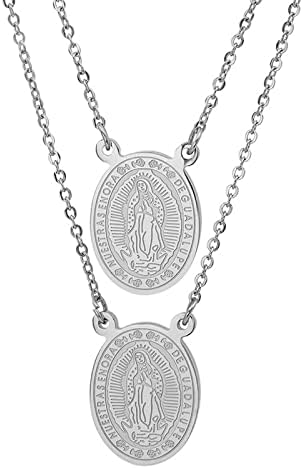
18K Gold Plated / Baño de Oro 18K con acabado de orfebrería fina.
Prime Delivery Guaranteed
925 Sterling Silver / Plata de Ley 925 con acabado de orfebrería fina.
Prime Delivery GuaranteedWhen selecting a Guadalupana piece, always prioritize certified precious metals (solid nickel-free 14K gold or Italian 925 sterling silver). Upon receiving it, take it to your parish priest for a traditional Catholic blessing to consecrate it as an enduring sacramental of protection.

18K Gold Plated / Baño de Oro 18K con acabado de orfebrería fina.
Prime Delivery Guaranteed
18K Gold Plated / Baño de Oro 18K con acabado de orfebrería fina.
Prime Delivery Guaranteed
Gold Plated / Chapa de Oro con acabado de orfebrería fina.
Prime Delivery GuaranteedFrom a strictly historiographical perspective, the *Nican Mopohua* is treated as a primary source of the tradition rather than a contemporary legal affidavit. Historians note the gap between the events of 1531 and the probable composition of the text in the mid-16th century. However, in the realm of theology and faith, the document is viewed as the authentic transmission of the sacred memory. Its value lies in its "truth of faith," providing the narrative framework that has been validated by the lived experience of millions of believers. The rigor of the text—its use of classical Nahuatl and its alignment with the ecclesiastical structures of the time—suggests that it was not a random folk tale, but a carefully curated account intended to preserve the miracle for posterity. Therefore, while a historian may analyze its literary structure and dating, the believer finds in the *Nican Mopohua* the definitive account of a divine encounter that transcends the limitations of human chronology.
Authenticity is verified through hallmarks. A piece of sterling silver should be stamped with "925," indicating 92.5% purity. Gold pieces are typically marked "14K," "585," or "18K," depending on the karat. I always advise my clients to request a certificate of authenticity from the jeweler, especially for heirloom pieces. Using a professional jeweler's acid test or an XRF (X-ray fluorescence) scanner is the only way to be absolutely certain of the metal's composition without damaging the piece. Regarding the blessing, it is crucial to understand that a priestly blessing does not alter the *market* value of the metal, but it exponentially increases its *spiritual* value. A blessed medal is no longer just a piece of jewelry; it becomes a "sacramental." In Catholic tradition, a sacramental is a sacred sign that prepares the soul to receive grace. While the gold remains 14K and the silver remains 925, the object is now consecrated for a holy purpose, transforming a luxury item into a tool for spiritual warfare and intercession.
For daily wear, I recommend 14K gold or high-quality 925 silver with a rhodium plating. Rhodium prevents the silver from tarnishing and provides a harder surface that resists the scratches of everyday activity. The design should be understated and ergonomic—a smooth-edged medal that does not snag on clothing. The focus for daily wear is "constant companionship," where the jewelry serves as a quiet, tactile reminder of the Virgin's presence throughout the day. For special liturgical occasions or family feasts, one may opt for more elaborate pieces: gold with intricate filigree, the addition of precious stones, or larger, more ornate frames. These pieces are intended to reflect the "Regality of Mary." Just as the *Nican Mopohua* describes the Virgin in a manner befitting her celestial status, these pieces of jewelry should be a visual hymn of praise. They are often kept in velvet-lined boxes and worn during Mass or pilgrimages, serving as a visible sign of the wearer's devotion and the dignity of the occasion.
The *Nican Mopohua* provides the "story" that gives meaning to the "object." When a grandmother passes a Guadalupan gold medal to her granddaughter, she is not merely transferring a piece of jewelry; she is transferring the legacy of the Tepeyac. The narrative of Juan Diego—of faith in the face of doubt and the reward of persistence—is woven into the physical object. The medal becomes a tangible link to the ancestral faith, reminding the new generation that they, too, are loved by the Mother of God. In many Catholic families, the reading of the *Nican Mopohua* during the month of December is paired with the veneration of these family heirlooms. This practice creates a powerful synergy between the written word, the spoken prayer, and the material object. By integrating the historical account of the apparitions with the physical presence of a sacred medal, the family transforms their home into a small sanctuary, ensuring that the message of the *Nican Mopohua* continues to resonate in the hearts of future generations.
Affiliate Disclosure: As an Amazon Associate, this devotional portal earns from qualifying purchases at zero additional cost to you.
Find the perfect sacred piece in 3 simple steps
Handpicked based on your preferences and occasion