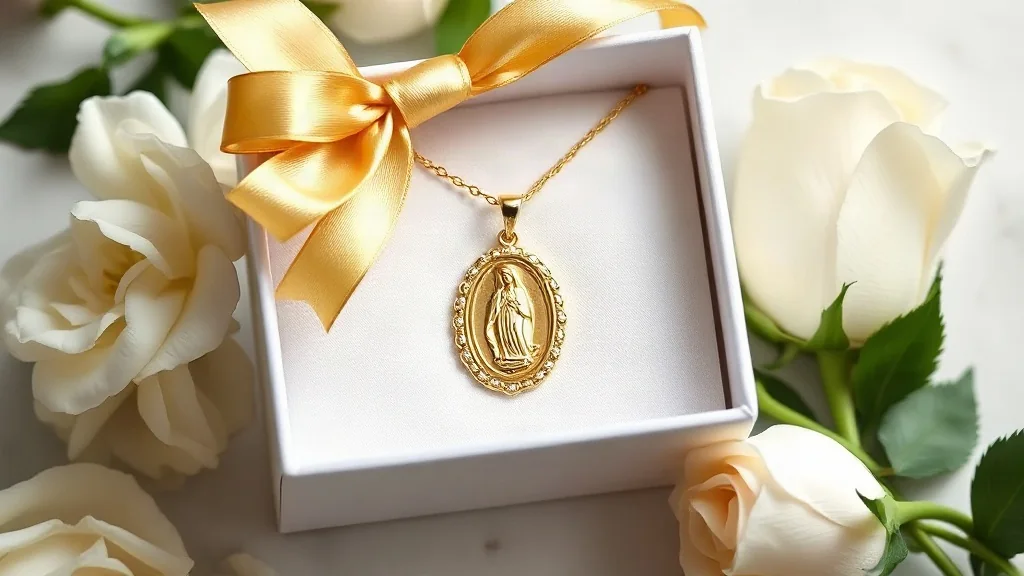
14K Gold Our Lady of Guadalupe Necklaces for Men: Buying Guide & Best Chains
Explore top 14K gold Our Lady of Guadalupe pendants for men. Figaro, Cuban and Rope chains with heavy-duty clasps and deep devotional relief...
Read Full Guide →
20 in-depth guides on selecting, maintaining, and blessing Catholic sacred jewelry.
Explore top 14K gold Our Lady of Guadalupe pendants for men. Figaro, Cuban and Rope chains with heavy-duty clasps and deep devotional relief...
Read Full Guide →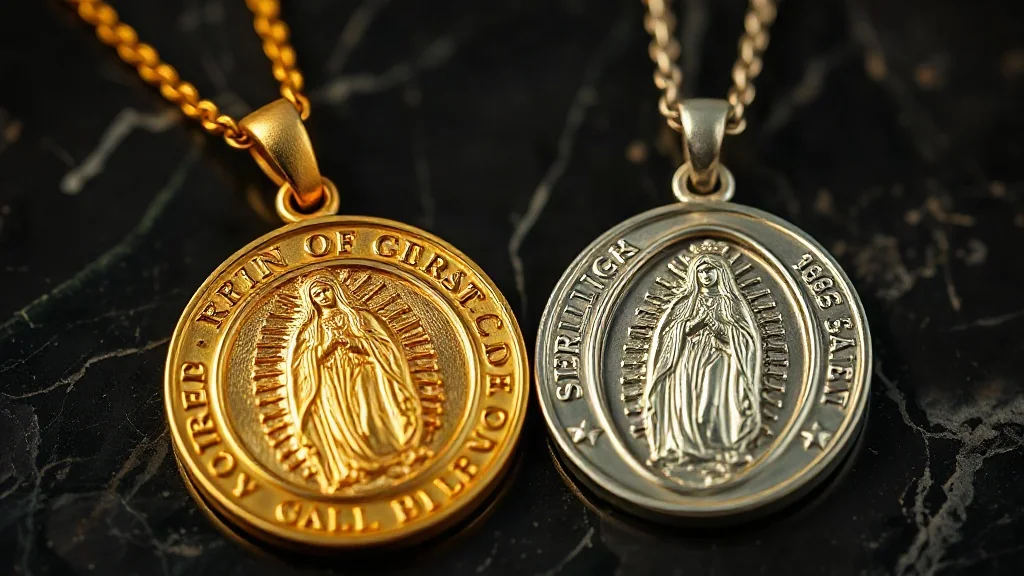
Discover feminine 925 sterling silver Our Lady of Guadalupe pendants. Delicate oval frames, sparkling cubic zirconia halos, and Italian chai...
Read Full Guide →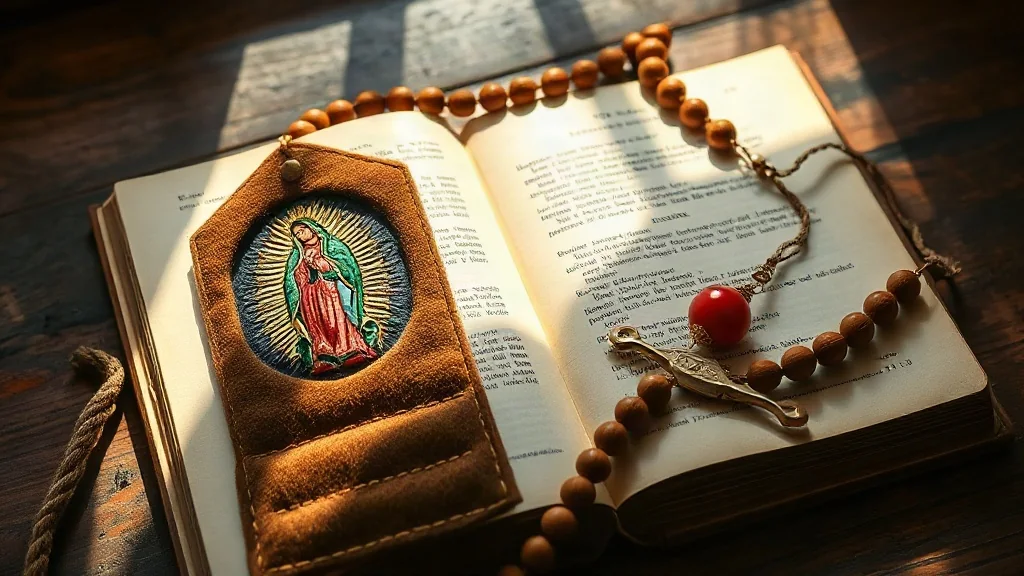
Explore dual-sided Saint Jude and Our Lady of Guadalupe scapular pendants. Powerful spiritual protection for desperate causes and motherly g...
Read Full Guide →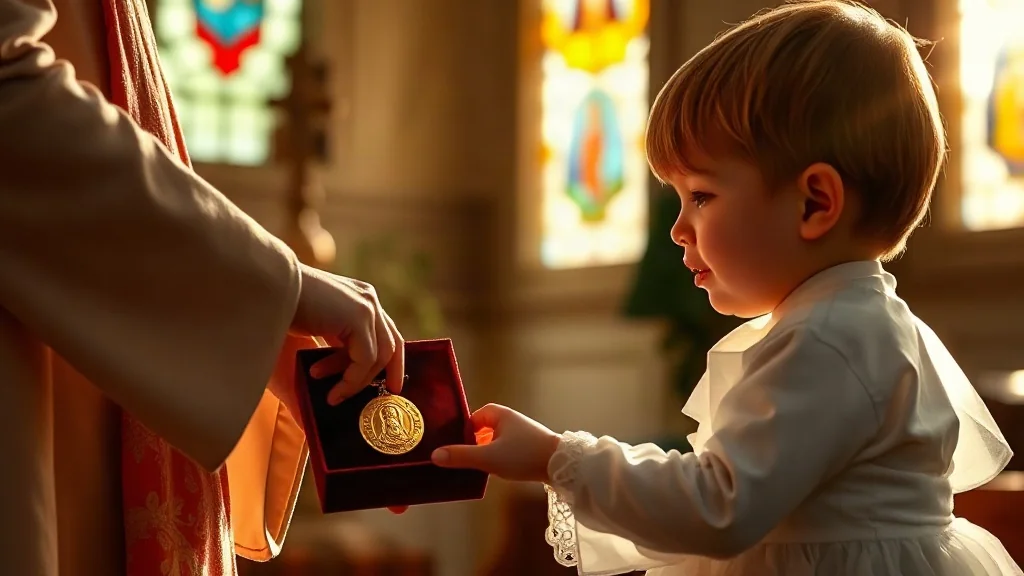
Find safe, delicate Our Lady of Guadalupe baptism pendants for babies and toddlers. Hypoallergenic metals, lightweight chains, and commemora...
Read Full Guide →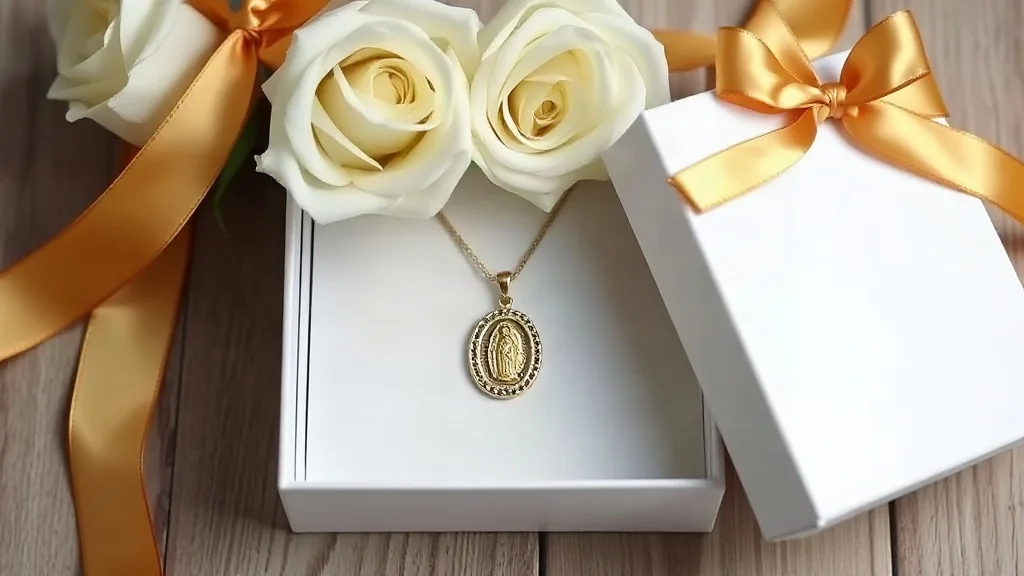
Top Our Lady of Guadalupe First Holy Communion pendants. Sacred medals with chalice, crucifix, and pure gold or sterling silver craftsmanshi...
Read Full Guide →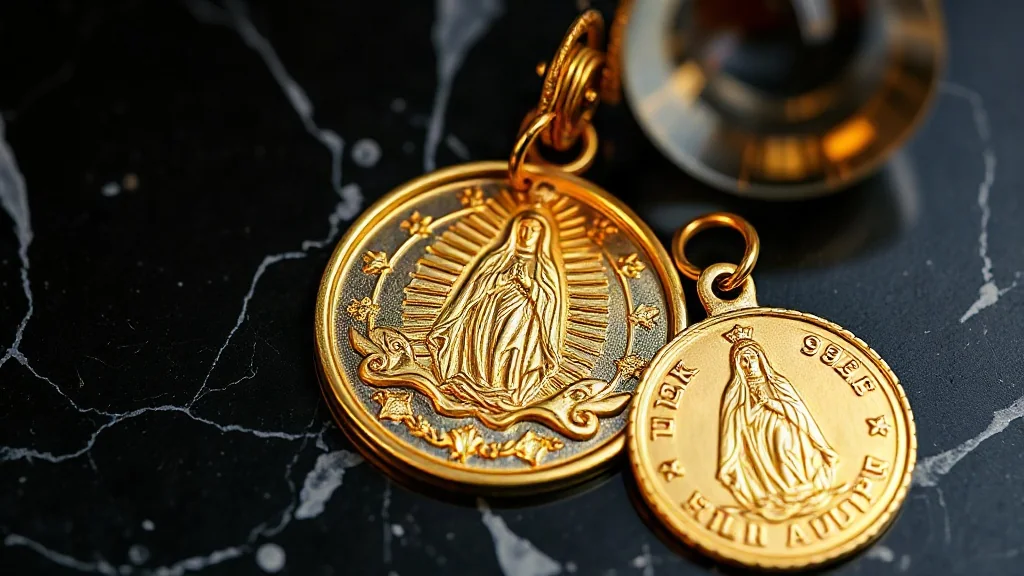
Surgical 316L stainless steel Our Lady of Guadalupe medals. Tarnish-proof, sweat-resistant, waterproof, and designed for heavy daily wear....
Read Full Guide →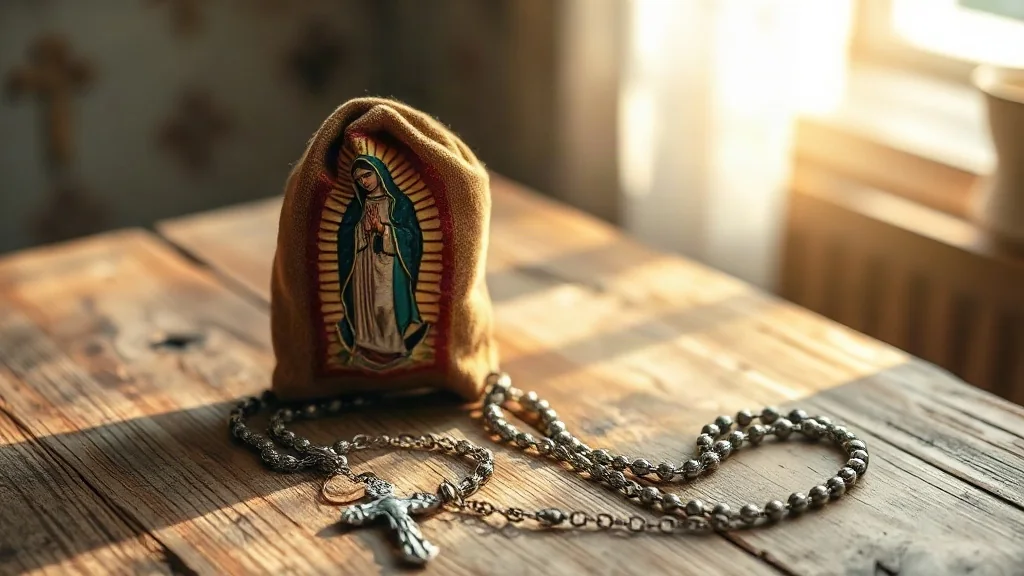
Traditional brown wool Carmelite scapulars featuring Our Lady of Guadalupe. Marian promises, soft cords, and comfortable devotional fabric....
Read Full Guide →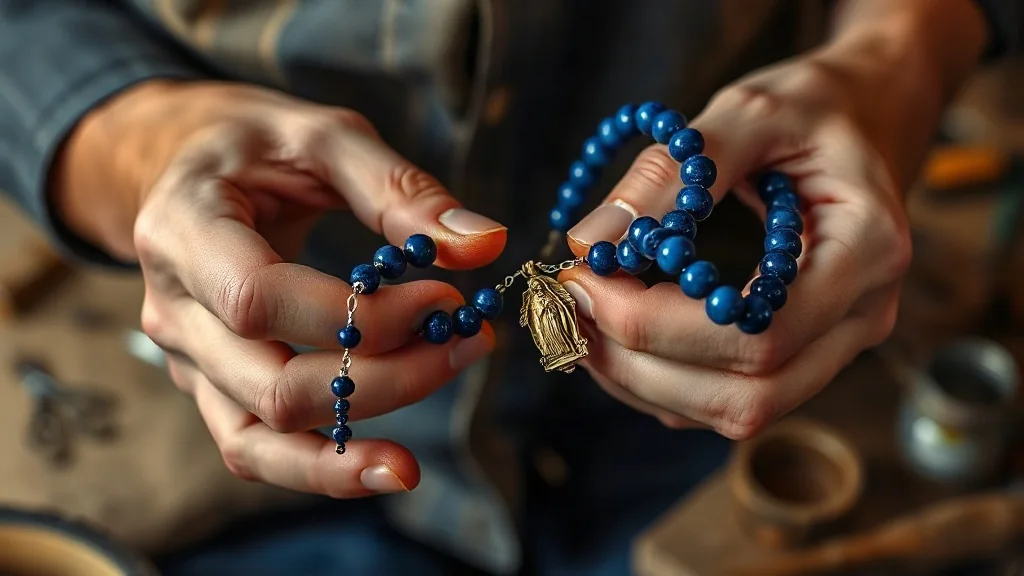
Exquisite Our Lady of Guadalupe rosary bead necklaces crafted with pearls, faceted crystals, and olive wood. Wearable prayer devotionals....
Read Full Guide →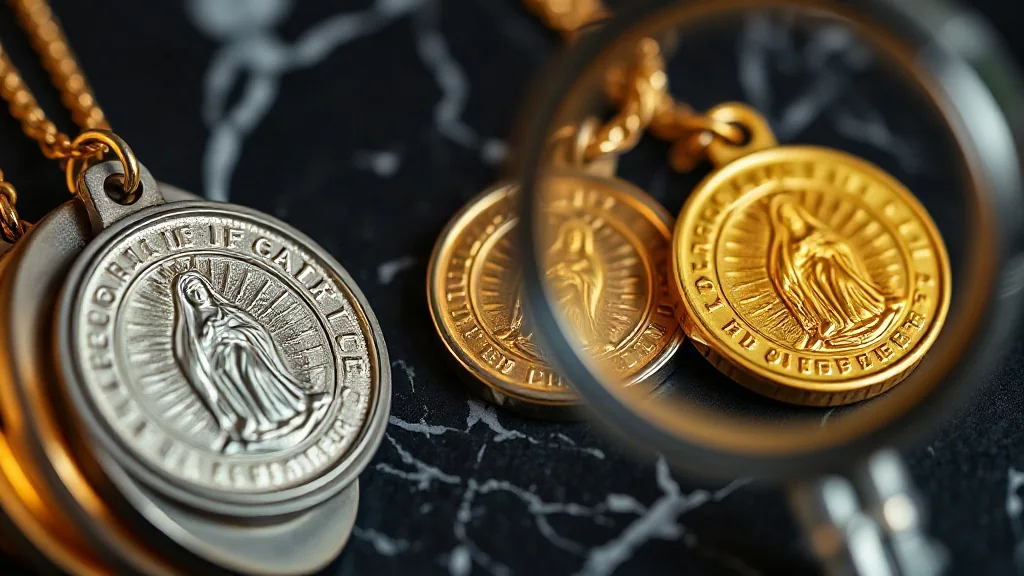
Statement large Our Lady of Guadalupe pendants (1.5" to 2.5"). 18K gold plated luster, high-relief detailing, and heavy chain compatibility....
Read Full Guide →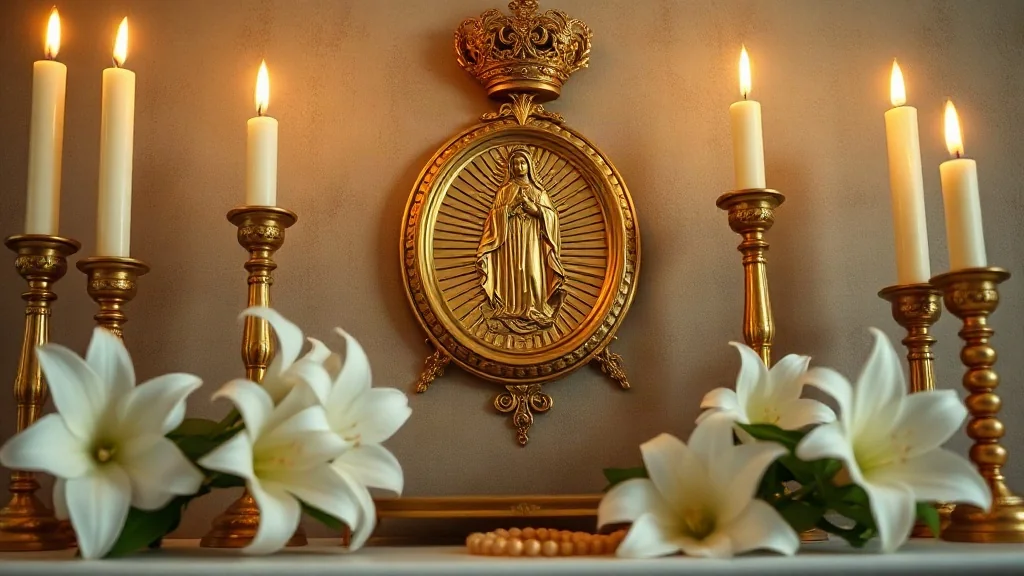
Compare the Miraculous Medal (Paris 1830) and Our Lady of Guadalupe (Tepeyac 1531). Symbolism, history, prayers, and Marian significance....
Read Full Guide →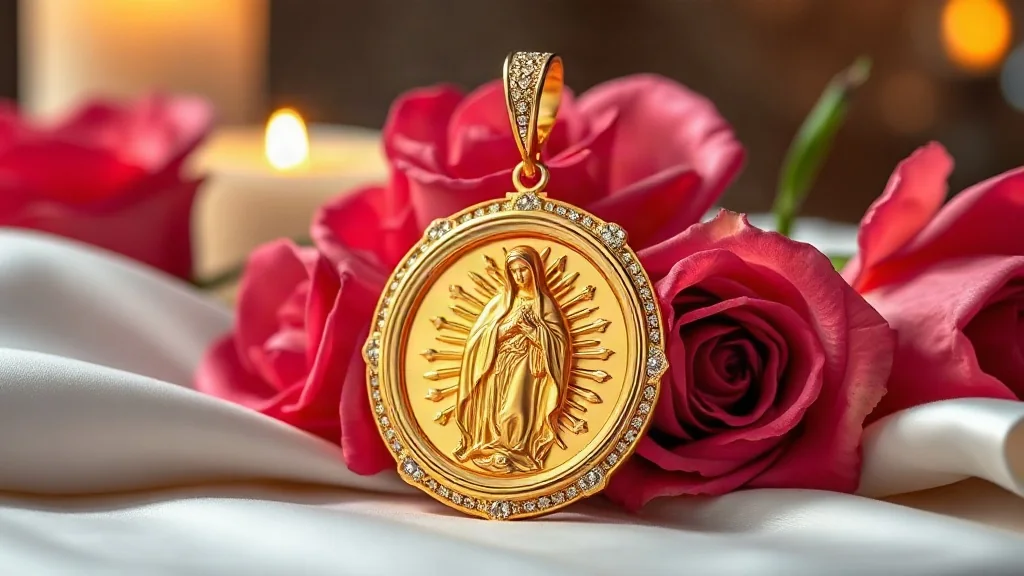
Stunning tri-color gold Our Lady of Guadalupe pendants blending yellow, white, and rose gold finishes. Exquisite contrast for special occasi...
Read Full Guide →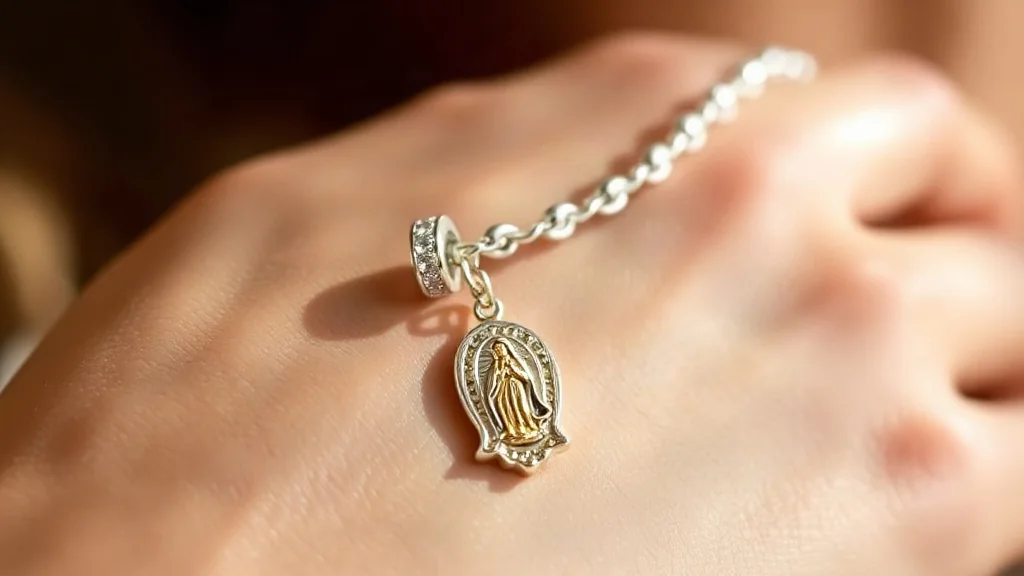
Coordinated Our Lady of Guadalupe necklace and bracelet gift sets. The ideal Catholic present for Mother's Day, birthdays, and anniversaries...
Read Full Guide →
Definitive chain length guide for Catholic pendants. Compare 16", 18", 20", 22", and 24" chains to find the ideal drape for your neckline....
Read Full Guide →
Explore vintage colonial Our Lady of Guadalupe medals, antique 1805 bronze casts, and rustic oxidized silver designs for collectors and devo...
Read Full Guide →
Matching Our Lady of Guadalupe couple pendants for husbands, wives, and betrothed couples. Symbolic jewelry uniting shared prayer and protec...
Read Full Guide →
Explore authentic Our Lady of Guadalupe medals, palm bracelets, and pendants crafted in Mexico by traditional Catholic artisans....
Read Full Guide →
Our Lady of Guadalupe pendants accented with sparkling AAA cubic zirconia and faceted crystals. Glorious sparkle honoring the Queen of Heave...
Read Full Guide →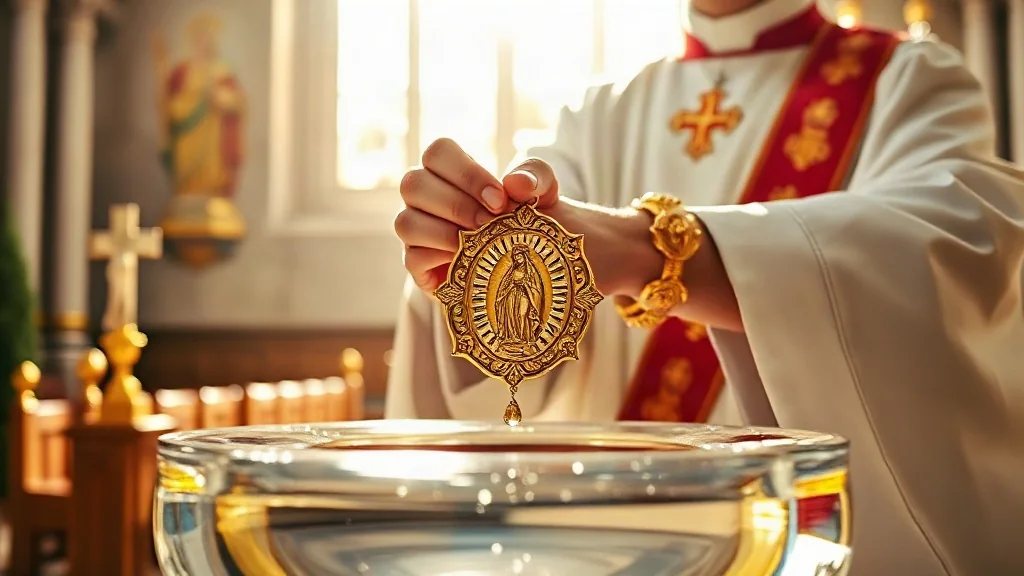
Complete guide on having your devotional medal blessed by a Catholic priest and proper cleaning methods for gold, silver, and stainless stee...
Read Full Guide →
Dual spiritual power: The Saint Benedict Jubilee Cross against evil combined with Our Lady of Guadalupe's loving motherly intercession....
Read Full Guide →
The most meaningful Catholic gift for a Quinceañera: Our Lady of Guadalupe pendants in gold and silver for her 15th birthday Mass of thanksg...
Read Full Guide →The veneration of Our Lady of Guadalupe is not merely a cultural phenomenon but a profound theological encounter between the Divine and humanity, rooted in the 1531 apparition to Saint Juan Diego. When we select a piece of sacred jewelry dedicated to the Patroness of the Americas, we are not engaging in a simple commercial transaction; we are acquiring a sacramental—a physical conduit for grace and a constant reminder of the maternal protection of the Virgin Mary. In the context of Catholic tradition, these articles serve as "visual prayers," allowing the faithful to carry a tangible manifestation of their faith and a symbol of the New Evangelization in their daily lives.
For the discerning collector or the devout believer, choosing the right devotional piece requires a synthesis of spiritual intention and technical knowledge. Whether the jewelry is intended for a milestone sacrament such as Baptism or Confirmation, or as a personal heirloom to be passed through generations, the quality of the materials must mirror the nobility of the devotion. In this comprehensive guide, we shall explore the intersection of metallurgy, iconography, and liturgical appropriateness, ensuring that your selection is not only aesthetically pleasing but spiritually authentic and enduring in its physical composition.
In the curation of sacred jewelry, the choice of metal is inextricably linked to the symbolic nature of the piece. Gold, historically associated with the Kingship of Christ and the purity of the Divine, is the premier choice for lifelong sacramentals. Whether in 14k or 18k purity, gold resists corrosion and symbolizes the eternal nature of the soul's commitment to God. For pieces intended for daily wear, such as a Guadalupe medal for a Confirmation candidate, the durability of gold ensures that the iconography remains legible and the structural integrity remains intact over decades of devotion.
Sterling silver (.925) offers a luminous, ethereal quality that is deeply appropriate for the purity associated with the Virgin Mary. Silver is often the preferred choice for First Communion and Baptismal medals due to its understated elegance and accessibility. However, silver requires a more rigorous maintenance schedule to prevent tarnish. From a curator's perspective, the contrast between the polished surfaces and the recessed engravings of a silver Our Lady of Guadalupe medal creates a depth of field that enhances the spiritual contemplation of the image.
Beyond these, the use of gold-plating or vermeil should be approached with caution. While these options provide the aesthetic of gold at a lower price point, they lack the generational permanence of solid noble metals. For a piece intended as a "legacy gift"—such as a Quinceañera necklace—I strongly recommend investing in solid gold or sterling silver to ensure that the sacramental value is not diminished by the wear of the plating over time, thereby preserving the piece as a family relic.
A high-quality Our Lady of Guadalupe medal must adhere to the strict iconographic standards of the original tilma. The presence of the mandorla (the sunburst of light), the crescent moon beneath her feet, and the stars on her mantle are not mere decorative elements; they are theological statements regarding Mary's role as the Woman of the Apocalypse and the Queen of Heaven. When evaluating a piece, one must inspect the precision of the engraving. A blurred or generic image diminishes the devotional potency of the article.
The posture of the Virgin—hands joined in prayer and eyes cast downward—represents her role as the Mediatrix and Intercessor. In fine jewelry, this is achieved through high-relief casting or intricate chasing techniques. The most prestigious pieces utilize a "three-dimensional" approach where the figure of the Virgin is slightly raised from the background, creating a tactile experience that encourages the wearer to touch the medal during moments of prayer or anxiety, grounding the spiritual experience in the physical world.
Furthermore, the inclusion of the angel at the base of the image is a hallmark of authenticity. The angel, supporting the mantle of the Virgin, symbolizes the bridge between the celestial and the terrestrial. In smaller medals, this detail is often omitted; however, for a primary devotional piece or a wedding gift, the presence of the angel signifies a commitment to the full theological narrative of the apparition, ensuring the piece is a true representation of the Guadalupe devotion.
For the Sacrament of Baptism, the priority is discretion and safety. Small, smooth-edged medals in 14k gold or sterling silver are ideal, as they avoid irritating the infant's skin while establishing the child's identity as a beloved child of God. These pieces are often designed as "birth medals," intended to be worn throughout childhood before transitioning to a more mature devotional style. The simplicity of the design reflects the purity of the soul newly cleansed in the waters of baptism.
As the devotee progresses to First Communion and Confirmation, the jewelry should evolve. First Communion pieces typically favor sobriety and lightness, often taking the form of a delicate bracelet or a small pendant. Confirmation, however, is the sacrament of spiritual maturity. Here, we recommend more substantial pieces—perhaps a heavier sterling silver medal or a gold cross with a Guadalupe reverse. This marks the transition into a more permanent, adult faith, where the jewelry serves as a shield and a public profession of belief.
For Quinceañeras and Weddings, the jewelry takes on a celebratory and transitional role. A Quinceañera necklace featuring the Inmaculada or Our Lady of Guadalupe serves as a rite of passage, symbolizing the young woman's commitment to her faith as she enters adulthood. For weddings, the focus shifts to elegance and solemnity. A refined Marian piece, perhaps accented with a small diamond or sapphire, balances the joy of the union with the spiritual guidance of the Blessed Mother, ensuring that the marriage is founded on a bedrock of prayer and devotion.
The acquisition of sacred jewelry must be governed by a commitment to authenticity. A reputable purveyor will always provide a Certificate of Authenticity detailing the metal's purity (the "hallmark" or "ley"). Whether it is the .925 stamp for silver or the 585/750 stamp for gold, these marks are the only guarantee against alloys that may cause allergic reactions or lose value. I advise all collectors to verify these marks under magnification to ensure the piece is not merely gold-filled or plated.
From a technical standpoint, the maintenance of these articles is a form of stewardship. Sacred jewelry should be cleaned with a soft, lint-free cloth and mild soap, avoiding harsh chemicals or perfumes that can erode the fine details of the iconography. For pieces with gemstones, regular inspections of the prongs and settings are essential to prevent the loss of stones. Professional polishing should be done sparingly to avoid wearing down the high-relief details of the Virgin's image, which are the most spiritually significant parts of the piece.
Finally, the storage of devotional articles should be intentional. Keeping medals in separate velvet-lined compartments prevents the "clashing" of metals, which can lead to surface scratches. When a piece becomes worn over decades, I recommend a professional restoration rather than replacement. The patina of age on a devotional medal often carries the "spiritual weight" of the prayers whispered over it, and a careful restoration preserves both the material value and the emotional history of the object.
The devotion to Our Lady of Guadalupe transcends borders, creating a spiritual corridor that links the Basilica of Our Lady of Guadalupe in Mexico City—the heart of the Americas—to the vibrant Hispanic parishes across the United States. In the sprawling metropolitan areas of California and Texas, the "Guadalupana" tradition is woven into the fabric of community life. From the historic missions of San Antonio to the bustling parishes of Los Angeles, the wearing of Guadalupe jewelry is a powerful marker of cultural identity and unwavering faith, often serving as a bridge between generations of immigrants and their American-born children.
Similarly, in the great Catholic hubs of Illinois and Florida, the devotion manifests in grand processions and intimate home altars. In Chicago, the Mexican-American community maintains a rigorous tradition of gifting Marian jewelry during the "Diecisiete" and December 12th celebrations. In Florida, the blend of Caribbean and Mexican influences creates a unique devotional landscape where the Virgin of Guadalupe is honored alongside other Marian titles. Regardless of the geography, from the Zócalo in Mexico City to the pews of Miami, these sacred articles serve as a universal language of hope and maternal protection for millions of Catholics.
The primary distinction lies in the hallmark and the wear pattern. A solid gold piece will have a clear stamp indicating its purity (e.g., 14k, 18k, or 585) and will maintain a consistent color throughout the entire body of the metal, even in the deepest crevices of the engraving. Gold-plated pieces, conversely, often show "wearing through" on the high points of the image, revealing a base metal (usually brass or copper) underneath, which may appear reddish or greenish over time.
To be absolutely certain, I recommend a professional acid test or the use of an XRF (X-ray fluorescence) analyzer, which can determine the exact elemental composition of the metal without damaging the piece. When purchasing, always insist on a written certificate of authenticity that guarantees the metal is solid gold. If the price seems too low to be true for the weight of the piece, it is almost certainly a plated or filled alternative.
For infants and young children, sterling silver (.925) or 14k gold are the most appropriate choices. Silver is highly valued for its purity and luminosity, making it a classic choice for Bautismo and First Communion. Gold is preferred for those seeking a lifelong heirloom that will not require the frequent polishing that silver demands. The most important technical consideration for children is the "finish"—ensure the edges are rounded and the clasp is secure to avoid skin irritation or safety hazards.
From a devotional perspective, the simplicity of the piece is key. A small, understated medal of Our Lady of Guadalupe allows the child to grow into their faith without the jewelry becoming a distraction. As the child reaches the age of Confirmation, these initial pieces can be kept as keepsakes, and a more substantial, "adult" devotional piece can be introduced to mark their spiritual maturity.
The purpose of a sacramental is to integrate the Divine into the ordinary. Therefore, wearing your Marian jewelry during daily activities is not only permissible but encouraged. It serves as a "constant prayer," reminding the wearer of the Virgin's presence during stressful work meetings, family challenges, or moments of solitude. The jewelry acts as a physical anchor, pulling the mind back to a state of grace throughout the day.
However, from a curatorial and technical standpoint, I advise removing the piece during activities that involve harsh chemicals, intense athletics, or swimming in chlorinated pools. Chemicals can react with the metal (especially silver) and dull the intricate details of the Guadalupe image. By treating the piece with physical care, you honor the spiritual significance it represents, ensuring that the "visual prayer" remains bright and clear for years to come.
Find the perfect sacred piece in 3 simple steps
Handpicked based on your preferences and occasion