A Guide to Authentic Made in Mexico Our Lady of Guadalupe Jewelry: Traditional Craftsmanship and Devotion
By Laura Fernández, Sacred Jewelry Specialist
Peace be with you. As a lifelong devotee of Our Lady of Guadalupe, the Patroness of the Americas, I understand that when you seek a piece of jewelry bearing her image, you are not merely purchasing an accessory. You are seeking a tangible connection to the Mother of God, a vessel for your prayers, and a testament to your faith.
For those in the United States searching for authentic Mexican craftsmanship, the market can be confusing. To ensure your piece is both a spiritual treasure and a quality investment, I have compiled this comprehensive guide to navigating the intersection of traditional artistry and material purity.
I. Ensuring Material Authenticity and Quality
When searching for "Made in Mexico" jewelry, the primary concern is often the purity of the metal. Mexico is world-renowned for its silver production, particularly in Taxco, but authenticity requires verification.
1. Understanding Metal Purity and Hallmarks
Always inspect the piece for a hallmark stamp. A hallmark is the artisan’s or the government’s guarantee of purity.
- Sterling Silver: Look for the stamp ".925". This indicates that the piece is 92.5% pure silver. Authentic Mexican silver often carries a distinct weight and a bright, cool luster.
- Gold (14K): For solid gold, look for "14K" or "585". If the piece is gold-plated (chapado en oro), the description should explicitly state the base metal (usually silver or brass) and the thickness of the plating. Be wary of pieces labeled simply as "gold tone."
2. Evaluating the Chain and Construction
A devotional medal is meant to be worn daily, often for a lifetime. Therefore, structural integrity is paramount.
- Chain Length: For a traditional pectoral placement (resting near the heart), a 18-inch chain is standard for women, while 20 to 24 inches is preferred for men. Ensure the length allows the medal to sit comfortably above the neckline of your clothing.
- Clasp Security: Inspect the clasp. A lobster claw clasp is generally more secure than a spring ring, especially for heavier Guadalupe medals. Ensure the closure snaps firmly and does not feel loose or flimsy.
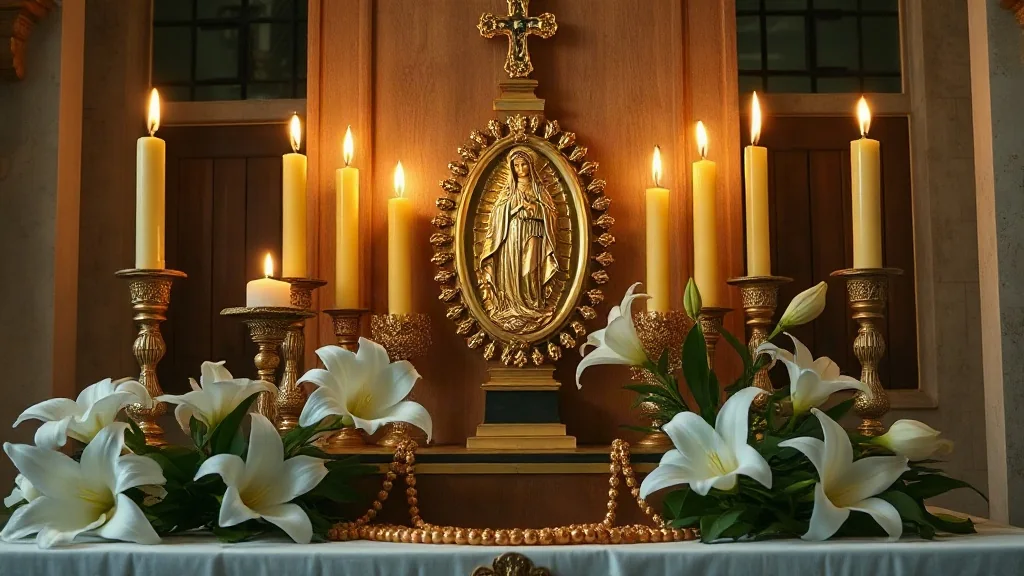
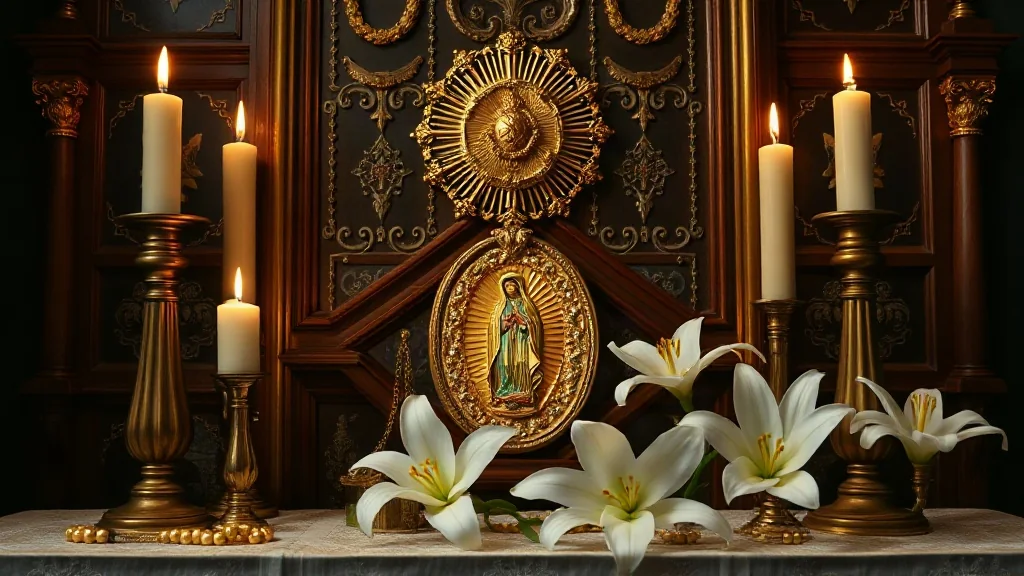
- The Bezel and Detail: In authentic Mexican craftsmanship, the image of the Virgin is often embossed or engraved with precision. The lines of her mantle and the rays of the sun should be crisp, not blurred or melted.
II. The Sacred Symbolism of the Image
When choosing your piece, it is helpful to reflect on the iconography of the Tilma, as these details often vary between different artisan styles.
- The Mantle: The stars on her blue-green mantle represent the heavens and her role as the Queen of Heaven.
- The Sun and Moon: The radiance surrounding her indicates she is clothed with the sun, while the crescent moon beneath her feet symbolizes her victory over darkness and her dominion over time.
- The Hands and Gaze: Her hands are joined in prayer, and her gaze is cast downward in humility, reminding the wearer that she leads us directly to her Son, Jesus Christ.
Choosing a piece that captures these details with reverence ensures that your jewelry serves as a constant visual reminder of the Apparitions of 1531 and the message of love given to Saint Juan Diego.
III. From Craftsmanship to Sacrament: The Blessing
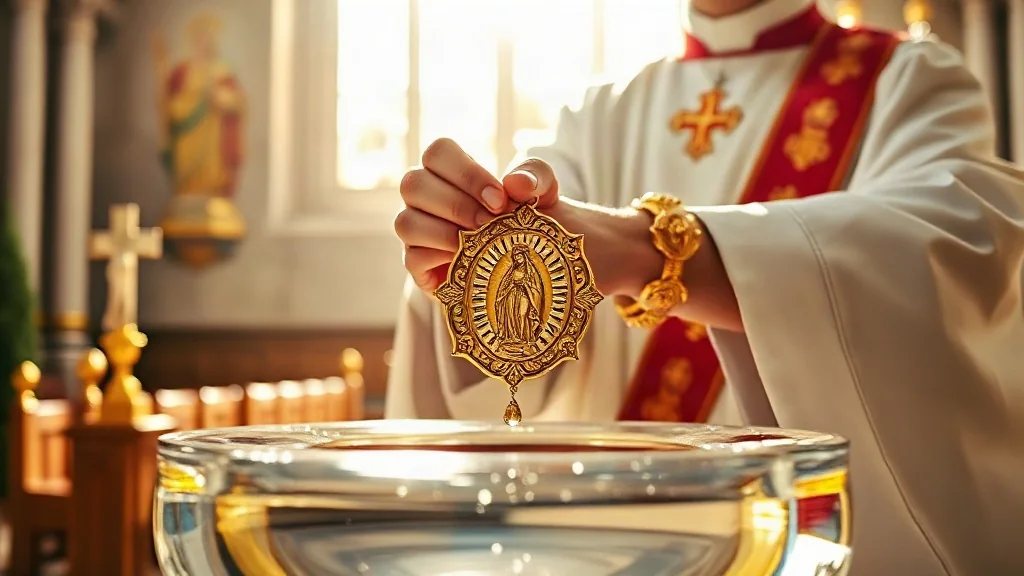
While the artisan provides the physical beauty of the jewelry, the spiritual potency is completed through the Church. A piece of jewelry becomes a "sacramental"—a sacred sign that prepares us to receive grace—when it is blessed.
I strongly encourage you to take your new jewelry to your parish priest. I recommend the following practice:
1. Attend Mass: Bring your jewelry to church on a Sunday or a feast day.
2. The Request: After the conclusion of the Mass, approach the priest. Simply state: *"Father, I have acquired this image of Our Lady of Guadalupe; would you be so kind as to bless it for me?"*
3. The Blessing: The priest will typically use holy water and a prayer of blessing. This act consecrates the object, setting it apart from the mundane and dedicating it to the service of God.
By combining a commitment to material quality with a commitment to spiritual devotion, you ensure that your jewelry is not only a beautiful piece of Mexican heritage but a lifelong companion in your walk of faith.