Laura's Selection

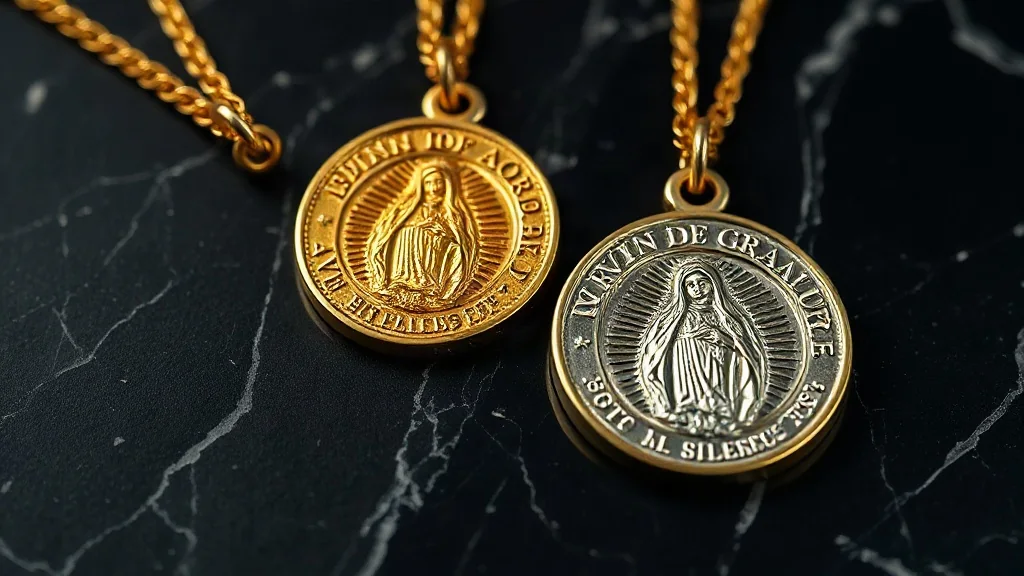
Angelitos de Mexico Scapular De Saint Jude con la Our Lady of Gua
925 Sterling Silver / Plata de Ley 925 con acabado de orfebrería fina.
Prime Delivery Guaranteed

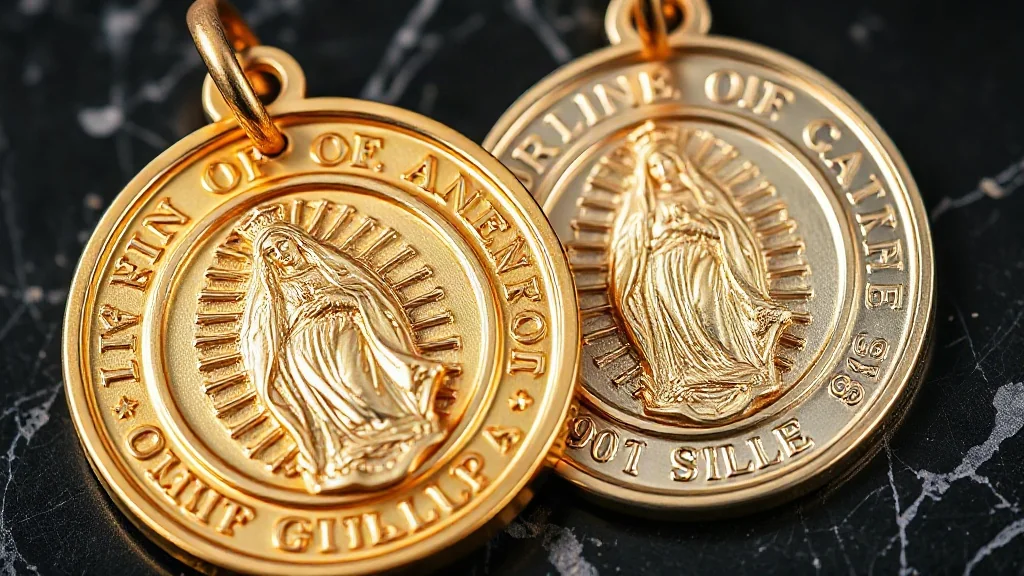
The contemplation of sacred jewelry transcends the mere appreciation of aesthetic beauty or material value; it is an exercise in understanding how the physical world mirrors the spiritual journey. For centuries, the use of precious metals in the creation of medals, rosaries, and liturgical vessels has served as a bridge between the temporal and the eternal. When we hold a piece of 925 sterling silver, we are not merely touching a commodity, but a medium of faith that has adorned the necks of saints and the altars of the world's most venerable cathedrals. The brilliance of silver has long been equated with the purity of the soul and the clarity of divine light, reflecting the Truth that penetrates the darkness of human existence. However, a common source of anxiety for the faithful is the inevitable darkening of these pieces over time—a phenomenon often misunderstood as a sign of decay or poor quality. To understand why silver tarnishes is to embrace a lesson in humility and renewal. Just as the human soul can be clouded by the shadows of sin or the weariness of worldly trials, the surface of the silver reacts to the environment, developing a dark patina. Yet, just as the soul is cleansed through the sacraments, the silver can be restored to its original radiance through careful stewardship. This process of tarnishing and restoration is not a flaw, but a natural characteristic of the metal, reminding us that everything in the created order is subject to change, yet possesses an inherent essence that remains immutable. By exploring the chemistry of sulfurization through the lens of sacred art, we elevate a simple maintenance question into a meditation on the enduring nature of faith and the nobility of materials dedicated to the glory of God.
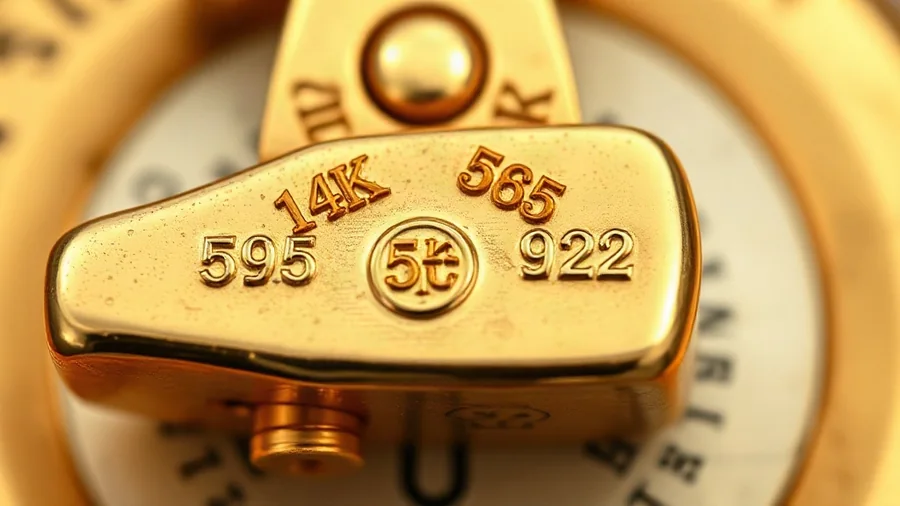
The history of silver in the context of sacred art begins in the depths of antiquity, where early civilizations recognized the metal's unique luminosity and malleability. Long before the formalization of modern chemistry, the goldsmiths of the ancient Near East and the Mediterranean observed that silver, while more resistant to corrosion than iron, possessed a peculiar sensitivity to certain atmospheric conditions. In the early Christian era, silver became the preferred medium for creating reliquaries and liturgical ornaments, symbolizing the moon's reflected light—a fitting metaphor for the Church reflecting the light of Christ. During this period, the "darkening" of silver was viewed not as a chemical failure, but as a natural evolution of the object, often associated with the passage of time and the accumulation of prayerful use.
As the Middle Ages progressed, the guild system of goldsmiths in Europe began to standardize the purity of metals to ensure the integrity of sacred objects. It was during this era that the concept of "Sterling" silver—which later evolved into the 925 standard—became prominent. The artisans realized that pure silver (99.9%) was too soft for the intricate detailing required for Gothic medals or the structural demands of a chalice. By alloying silver with a small percentage of copper, they achieved a balance of durability and luster. However, this addition of copper introduced a new chemical variable: the alloy became susceptible not only to the sulfur in the air but also to the formation of copper sulfides, which contributed to the characteristic yellowish or blackish hue observed on ancient ecclesiastical treasures.
The Enlightenment and the subsequent birth of modern chemistry in the 18th and 19th centuries finally provided the scientific lexicon to describe this phenomenon. It was discovered that the darkening of silver is not "oxidation" in the sense of reacting with oxygen—as iron does to form rust—but rather "sulfurization." The reaction occurs when silver atoms encounter hydrogen sulfide (H₂S) and other sulfur compounds present in the atmosphere, resulting in the formation of silver sulfide (Ag₂S). This thin, dark film alters the way light reflects off the surface, masking the brilliance of the metal. This scientific revelation did not diminish the value of the jewelry; rather, it confirmed that the essence of the silver remained intact beneath the superficial layer of sulfide.
In the contemporary era, the study of sacred jewelry has integrated these chemical truths with conservation science. Today, curators of museum-grade orfebrería recognize that the patina on a 16th-century silver medal can be a historical record, while for the personal devotional piece, it is a manageable natural process. The modern understanding of 925 silver emphasizes that the tarnish is reversible and superficial. Whether it is a Miraculous Medal or a traditional scapular, the metal's reaction to the environment is a testament to its authenticity. The transition from the empirical observations of the medieval smith to the molecular precision of the modern chemist allows us to preserve our sacred heirlooms with a rigor that honors both science and tradition.
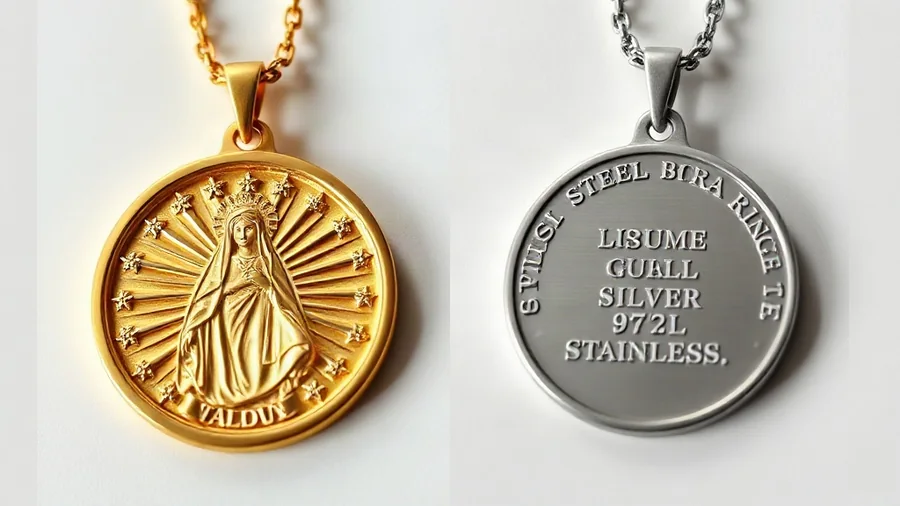
In the realm of Catholic iconography and theology, the choice of materials is never arbitrary. Silver, in particular, holds a profound connection to Marian doctrine. While gold often symbolizes the Kingship of Christ and the radiance of the Divine Nature, silver is frequently associated with the purity, humility, and reflective grace of the Virgin Mary. Just as silver reflects light without claiming to be the source of it, Mary reflects the light of her Son to the world. The "luster" of a silver devotional piece serves as a visual reminder of the *Immaculata*, whose soul remained unstained by the shadow of sin. When a believer wears a silver medal, they are not merely wearing a piece of jewelry, but a sacramental reminder of the call to a life of purity and transparency before God.
The phenomenon of sulfurization—the darkening of the silver—can be interpreted as a spiritual allegory for the human condition. We are created in the image of God, endowed with an inherent dignity and a "divine brilliance." However, the "sulfurs" of the world—temptations, grief, and the frictions of earthly existence—inevitably leave a mark upon us. Our spiritual luster may dim; our hearts may become clouded by the patina of despair or the residue of imperfection. Yet, the theology of the Cross teaches us that this darkening is not permanent. Just as the silver sulfide layer can be gently removed to reveal the shining metal beneath, the soul is restored through the grace of Confession and the Eucharist. The tarnish is not the metal; the shadow is not the soul.
Furthermore, the endurance of silver through the ages speaks to the concept of the "Eternal Now" in the life of the Church. A silver rosary passed down through three generations of a family carries the physical weight of ancestral prayers. The fact that the metal requires care and polishing mirrors the necessity of spiritual discipline. Faith is not a static possession but a living relationship that requires constant cultivation. The act of cleaning a sacred object can become a form of contemplative prayer—a rhythmic, mindful process of removing the old to make way for the new, symbolizing the perpetual conversion (*metanoia*) required of every Christian.
Finally, the distinction between a superficial patina and structural corrosion provides a lesson in discernment. In the spiritual life, we must distinguish between the "surface" trials that test our patience and the "deep" sins that threaten our salvation. The darkening of 925 silver is a surface event; it does not compromise the integrity of the metal. Similarly, the trials of life may dim our outward joy, but they do not destroy the indelible mark of Baptism. By understanding the nature of the metal, the faithful are encouraged to view their devotional objects not as fragile ornaments, but as resilient companions in a journey toward an everlasting light that will never tarnish.
The art of sacred orfebrería requires a profound understanding of metallurgy to ensure that a piece of jewelry can withstand the rigors of daily devotion while maintaining its symbolic dignity. The choice between 14K gold and 925 sterling silver is often a balance of theology, budget, and durability. 14K gold, an alloy of gold, silver, and copper, is prized for its resistance to tarnish and its timeless warmth. It is the gold standard for heirloom medals and wedding bands, symbolizing an unbreakable covenant. However, 925 silver offers a different, more lunar brilliance that is deeply cherished in Marian devotion. The "925" hallmark indicates that the piece consists of 92.5% pure silver and 7.5% other metals, typically copper, which provides the necessary hardness for intricate engravings of saints and sacred symbols.
When examining a high-quality devotional piece, the hallmark is the first indicator of authenticity. A genuine 925 stamp ensures that the wearer is not dealing with silver-plated brass or "alpaca," which can cause skin irritation and lacks the intrinsic value of precious metal. In the creation of necklaces and medals, the goldsmith must consider the "contact points"—the areas where the metal touches the skin. Because 925 silver reacts with the pH of the skin and environmental sulfur, the craftsmanship must be precise. A well-polished surface reduces the area where pollutants can settle, while a deep, intentional patina in the recesses of a relief carving can actually enhance the visibility of the sacred image, creating a three-dimensional effect that honors the subject.
The care of these heirlooms is a sacred duty. For pieces made of 925 silver, the primary goal is to reduce the frequency of sulfurization. This is achieved by controlling the environment. Humidity acts as a catalyst for the reaction between silver and sulfur; therefore, storing a medal in a dry, airtight environment—such as a silk-lined jewelry box or a vacuum-sealed pouch—significantly slows the darkening process. Moreover, the interaction with modern chemicals is a primary cause of accelerated tarnish. Perfumes, hairsprays, and lotions contain compounds that can react violently with the copper content of sterling silver, leading to rapid discoloration. The proper etiquette for wearing sacred jewelry is to "dress first, adorn last," ensuring that all cosmetics have dried before the silver touches the skin.
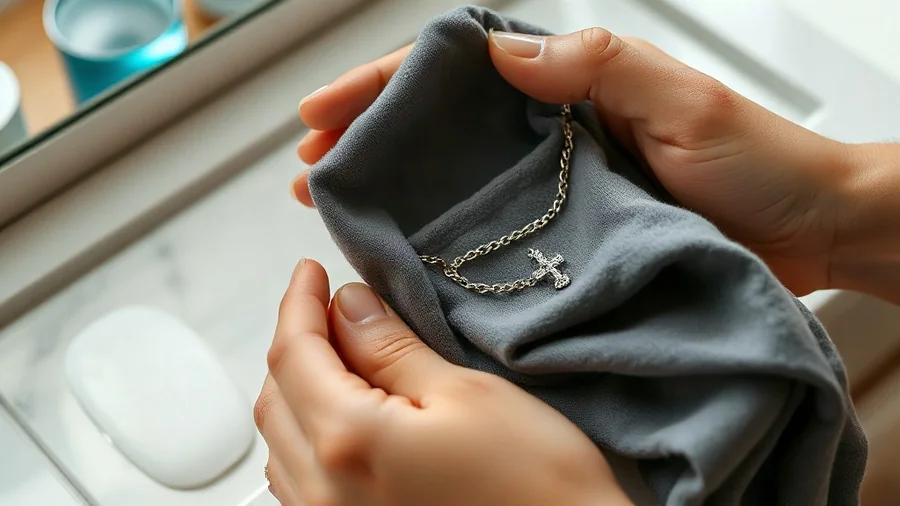
For those who possess a collection of both gold and silver, it is important to note that they should be stored separately. While gold is chemically stable, the sulfurization process of silver can occasionally affect the surface of lower-karat gold alloys. In the context of family legacies, the preservation of these pieces is an act of love for future generations. A silver medal that has been carefully maintained becomes a tangible link to the faith of one's grandparents. By employing professional cleaning methods—avoiding abrasive pastes and opting for specialized silver cloths or mild soap and distilled water—the custodian of the jewelry ensures that the light of the metal continues to reflect the light of the faith for centuries to come.
925 Sterling Silver / Plata de Ley 925 con acabado de orfebrería fina.
Prime Delivery Guaranteed
925 Sterling Silver / Plata de Ley 925 con acabado de orfebrería fina.
Prime Delivery Guaranteed
925 Sterling Silver / Plata de Ley 925 con acabado de orfebrería fina.
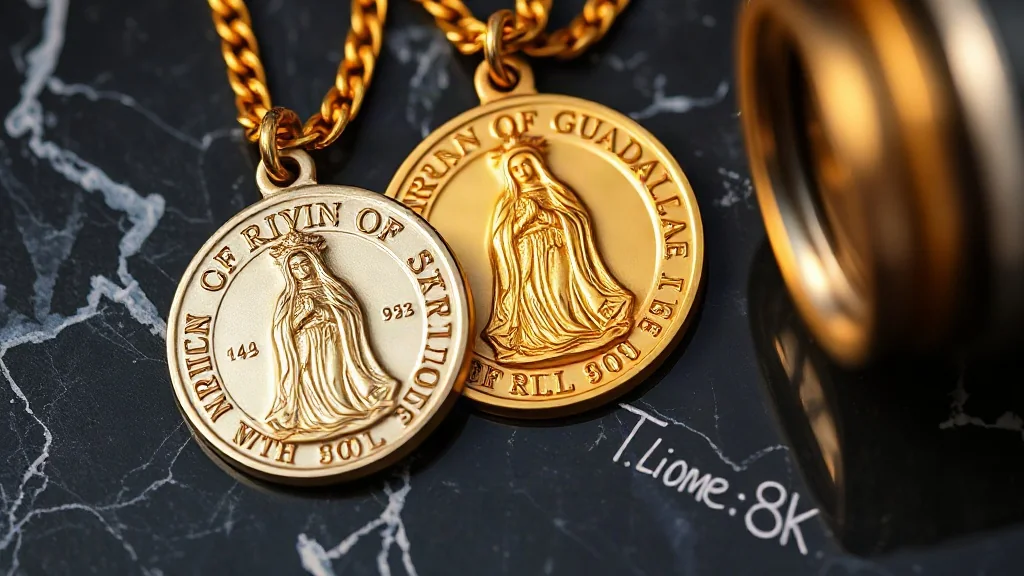
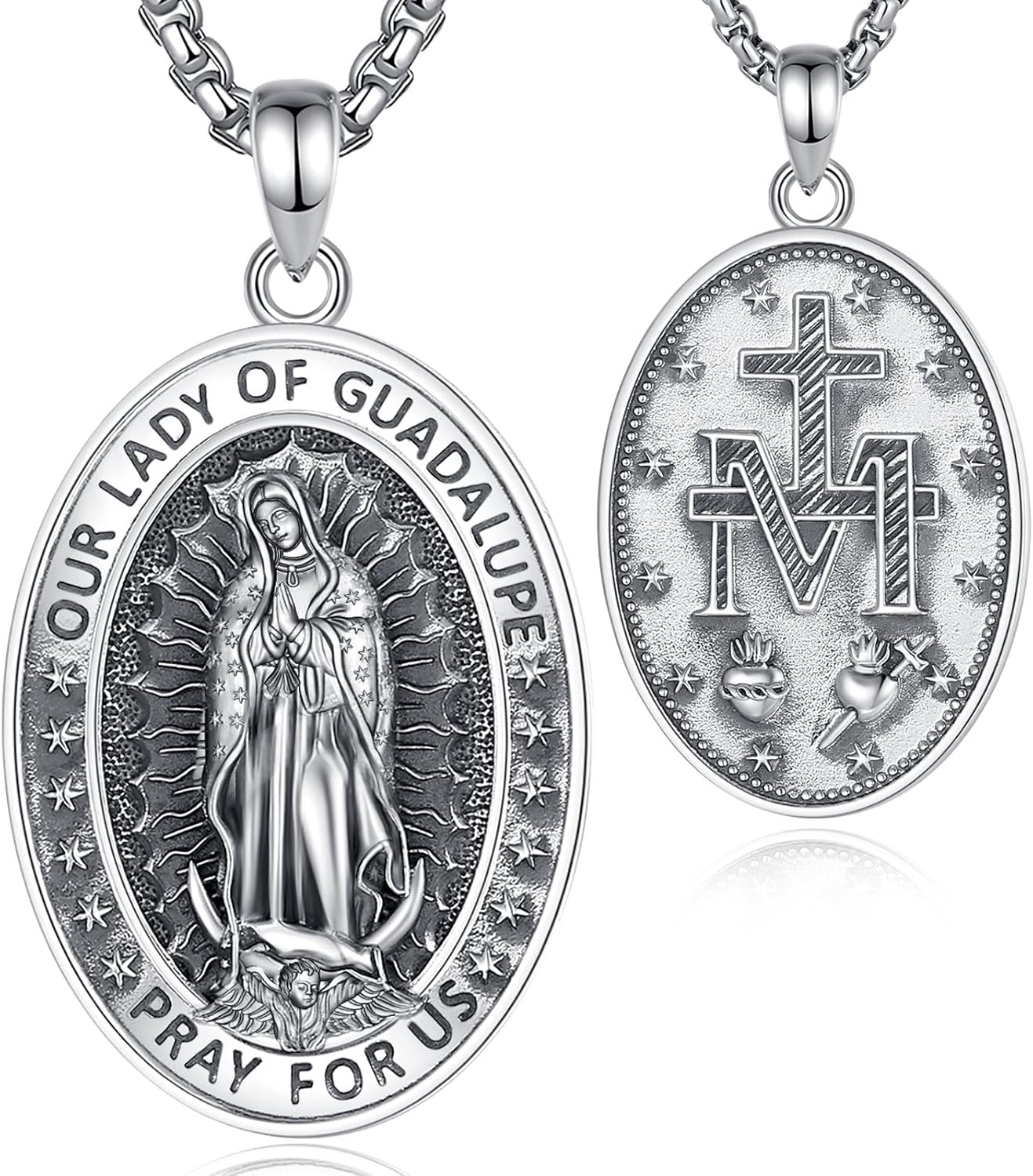
Prime Delivery GuaranteedWhen selecting a Guadalupana piece, always prioritize certified precious metals (solid nickel-free 14K gold or Italian 925 sterling silver). Upon receiving it, take it to your parish priest for a traditional Catholic blessing to consecrate it as an enduring sacramental of protection.
925 Sterling Silver / Plata de Ley 925 con acabado de orfebrería fina.
Prime Delivery Guaranteed
925 Sterling Silver / Plata de Ley 925 con acabado de orfebrería fina.
Prime Delivery Guaranteed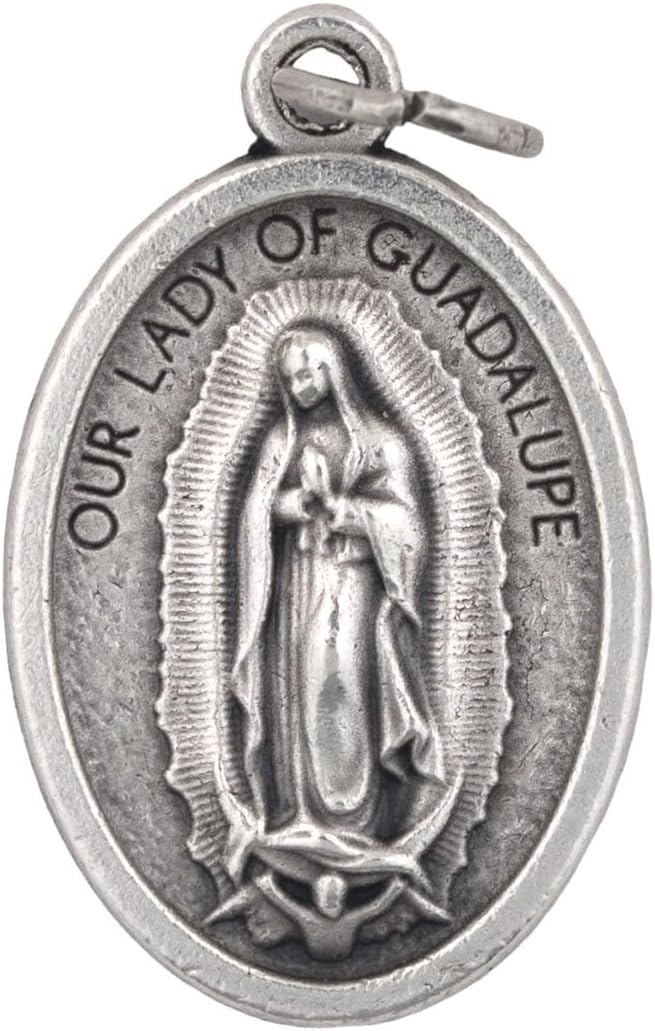
925 Sterling Silver / Plata de Ley 925 con acabado de orfebrería fina.
Prime Delivery GuaranteedIt is crucial to first clarify a common scientific misconception: 925 silver does not "oxidize" in the way iron does. Instead, it undergoes a process called sulfurization. This occurs when the silver and copper in the alloy react with sulfur compounds in the air—such as hydrogen sulfide—forming a thin layer of silver sulfide (Ag₂S) on the surface. This layer is what we perceive as a black or yellowish tarnish. It is a completely natural chemical reaction and is not an indication that the jewelry is of poor quality or "fake." To prevent or slow down this process, the most effective strategy is to limit the metal's exposure to sulfur and moisture. Store your pieces in airtight containers or anti-tarnish bags, and avoid keeping them in humid environments like bathrooms. Additionally, remove your silver jewelry before applying perfumes, creams, or swimming in chlorinated pools or salt water, as these substances act as catalysts that accelerate the formation of the sulfide layer. Regular, gentle cleaning with a soft polishing cloth will remove the tarnish before it thickens.
Authenticity is primarily verified through the hallmark. Look for a small stamp that reads "925" or "Sterling." A professional jeweler can further verify this using an acid test or an X-ray fluorescence (XRF) analyzer, which determines the exact metallic composition without damaging the piece. If a piece tarnishes very quickly and reveals a copper or brass color underneath, it is likely silver-plated rather than solid 925 sterling silver. Regarding the blessing, it is important to distinguish between the physical and the spiritual. A priestly blessing is a sacramental act that invokes God's grace upon the object and the person wearing it; it does not alter the chemical properties of the metal. A blessed silver medal will still tarnish according to the laws of chemistry, as the blessing operates on a spiritual plane. The tarnish is a physical reality, while the blessing is a spiritual reality; the two coexist without interference.
When selecting a piece intended to become a family heirloom, prioritize "solid" precious metals over "plated" options. Solid 925 silver or 14K/18K gold are the only choices that guarantee longevity, as they can be polished and restored indefinitely. Plated jewelry eventually wears down, exposing the base metal and losing its luster. Look for pieces with a high level of detail in the casting and a clear hallmark of purity. Furthermore, consider the "weight" and "feel" of the piece. A substantial medal not only feels more significant but is generally more resistant to deformation over decades of wear. If you are choosing between gold and silver for a piece that will be worn daily in harsh conditions, gold is more resilient. However, for a piece of deep Marian significance, the luminous quality of 925 silver is unmatched, provided you are willing to commit to the occasional ritual of polishing.
Absolutely not. There is a common superstition in some popular circles that silver turns black due to "bad energies" or as a warning of illness. From both a scientific and a theological perspective, this is unfounded. The darkening of silver is a purely chemical reaction to environmental sulfur. It has no correlation with the spiritual state of the wearer or the presence of negative energies. In fact, in the tradition of sacred art, a gentle patina is often seen as a mark of authenticity and history. It signifies that the object has been present in the world, accompanying the faithful through their daily lives. The value of a family rosary lies in the prayers that have been whispered over its beads and the faith of those who held it, not in the temporary state of its surface luster. Cleaning the piece is not about "fixing a problem," but about honoring the object's beauty and the legacy it represents.
Affiliate Disclosure: As an Amazon Associate, this devotional portal earns from qualifying purchases at zero additional cost to you.
Find the perfect sacred piece in 3 simple steps
Handpicked based on your preferences and occasion