Laura's Selection
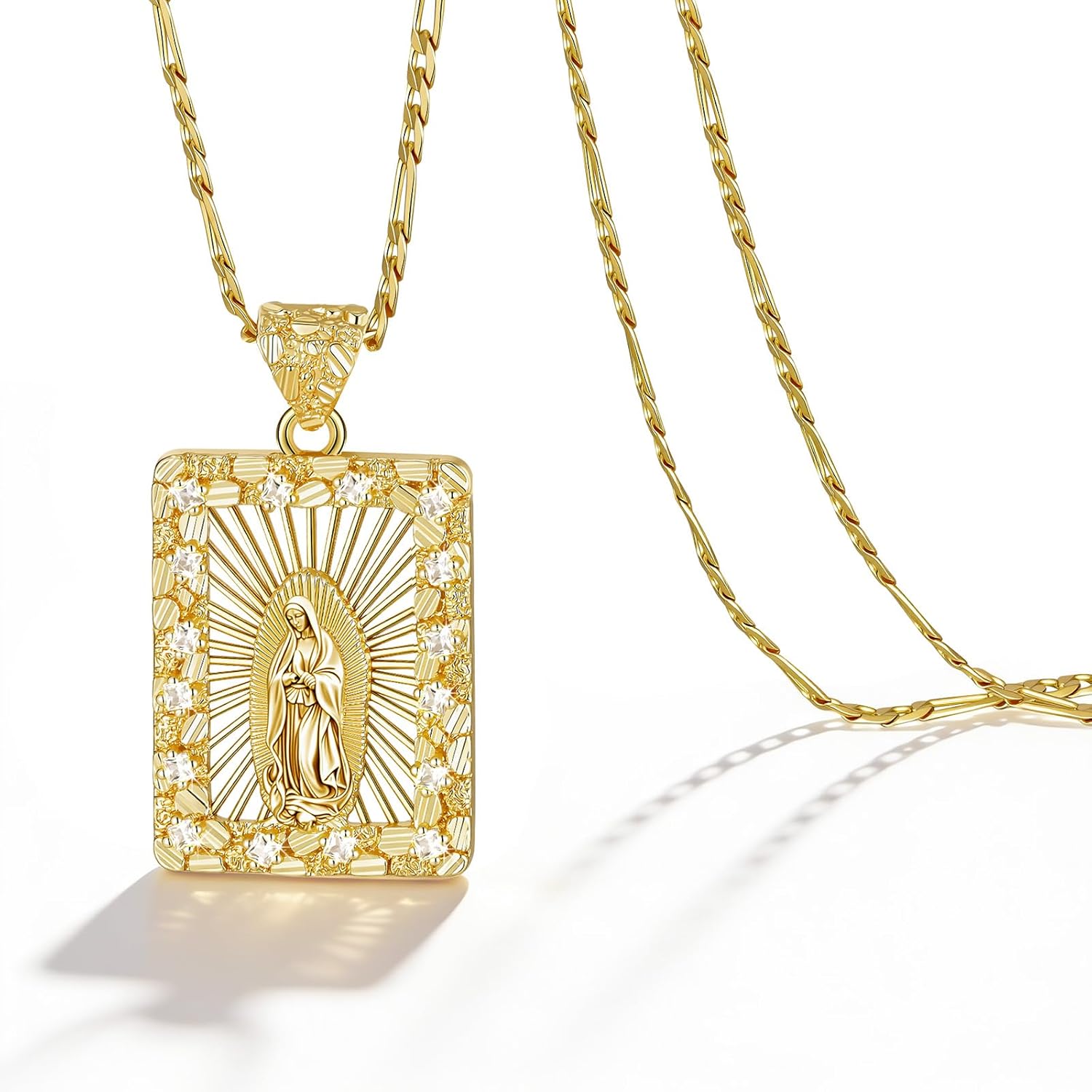
Women's Gold Virgin Mary Necklace
14K Gold Plated / Baño de Oro 14K con acabado de orfebrería fina.
Prime Delivery Guaranteed
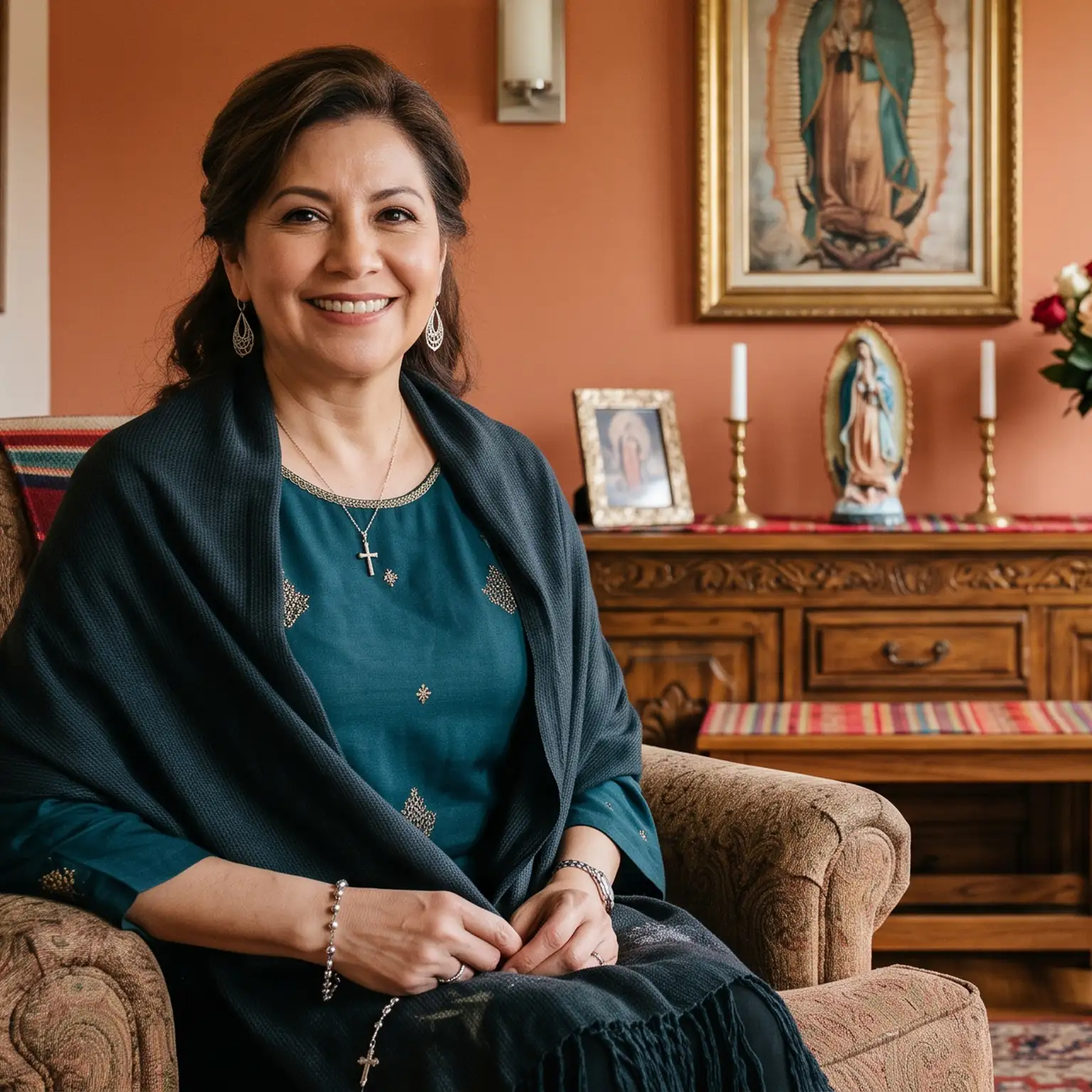
The practice of the *manda*, or sacred vow, represents one of the most profound intersections between popular piety and formal Catholic theology within the Hispanic world, particularly in the devotion to Our Lady of Guadalupe. Far from being a mere transaction or a superstitious ritual, a *manda* is a spiritual covenant—a solemn promise made by the faithful to the Blessed Virgin Mary in exchange for her powerful intercession before the throne of God. It is an act of surrender and trust, wherein the believer acknowledges their vulnerability and reaches out to the *Morenita* as a maternal mediatrix. When approached with genuine reverence, the *manda* becomes a transformative journey of faith, moving the devotee from a state of desperate petition to a state of disciplined gratitude, thereby strengthening the bond between the soul and the Divine. To make a *manda* with Catholic reverence is to understand that the Virgin Mary does not grant the grace herself, but rather presents the petition to her Son, Jesus Christ. Therefore, the spiritual significance of the vow lies not in the "payment" offered—whether it be a pilgrimage, a candle, or a piece of sacred jewelry—but in the disposition of the heart. The *manda* serves as a tangible manifestation of an interior conversion; it is a commitment to a specific act of piety that disciplines the will and elevates the spirit. In the silence of the sanctuary or the intimacy of a home altar, the formulation of a vow is a moment of profound vulnerability and hope, weaving the personal history of the believer into the timeless tapestry of Guadalupe’s maternal protection and the overarching plan of Salvation.
By Laura Fernández, PhD in History, Catholic Researcher, and Curator of Sacred Goldsmithing.
The genesis of the Guadalupan devotion is inextricably linked to the winter of 1531, a pivotal moment in the spiritual conquest and cultural synthesis of New Spain. According to the *Nican Mopohua*, the Nahuatl account of the apparitions, the Virgin Mary appeared to the indigenous peasant Juan Diego Cuicapiltzin on the hill of Tepeyac. The chronology of these events—spanning from December 9th to 12th—established the foundation for a devotion that would transcend social castes and ethnic boundaries. The miracle of the roses in the *tilma* served as the divine seal of authenticity, prompting Bishop Juan de Zumárraga to authorize the construction of a chapel, which eventually evolved into the monumental Basilica that stands today as the epicenter of the *manda* tradition.
Throughout the 16th and 17th centuries, the devotion grew from a local phenomenon to a national identity. The establishment of the *Santuario de Guadalupe* created a physical space where the practice of the *promesa* could be institutionalized. Historically, the *manda* emerged as a way for the marginalized—the indigenous and the mestizo populations—to express their faith through concrete actions. During the colonial era, these vows often took the form of arduous pilgrimages or the donation of precious metals to adorn the image, reflecting a Baroque sensibility where the material beauty of the offering mirrored the magnitude of the spiritual gratitude.
By the 19th century, particularly during the Reform wars and the subsequent period of religious persecution, the *manda* took on a subversive and resilient character. The vow was no longer just about personal favors; it became a pledge of loyalty to the faith and the Mother of God in the face of secular hostility. The act of traveling to Tepeyac became a pilgrimage of resistance. The historical record shows that the *manda* evolved into a collective memory, where families passed down the tradition of fulfilling promises, ensuring that the legacy of the "Star of the New Evangelization" remained vibrant across generations.
In the modern era, the 20th and 21st centuries have seen the globalization of this practice. With the construction of the New Basilica in 1976, the logistics of the *manda* were scaled to accommodate millions. Today, the chronology of the devotion is marked by the December 12th feast day, where the culmination of countless vows manifests in the sea of pilgrims. The *manda* has transitioned from a localized Mexican custom to a universal Catholic expression of hope, integrated into the digital age through online petitions, yet remaining rooted in the ancient, sacred tradition of the encounter between the Divine Mother and her children.
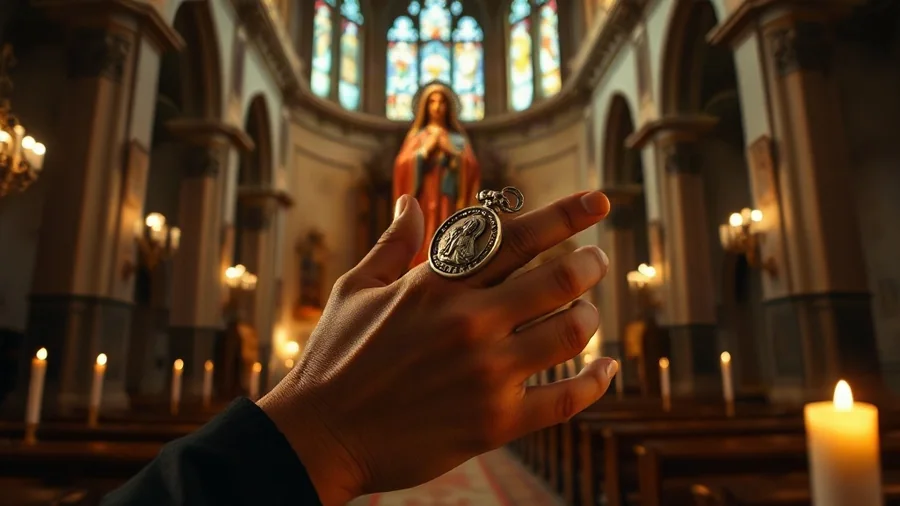
From a rigorous theological perspective, the *manda* must be understood through the lens of *Hyperdulia*—the special veneration accorded to the Virgin Mary, which is distinct from *Latria* (the worship reserved for God alone). The devotee who makes a vow to Our Lady of Guadalupe is not engaging in a contractual agreement with a deity, but is invoking the intercessory power of the Mother of the Church. The theological core of the *manda* is the belief in the Communion of Saints; it is the recognition that Mary, being the most perfect creature and the Mother of the Redeemer, possesses a unique proximity to the Heart of Christ. Thus, the vow is a plea for her maternal advocacy: "Pray for us, O Holy Mother of God."
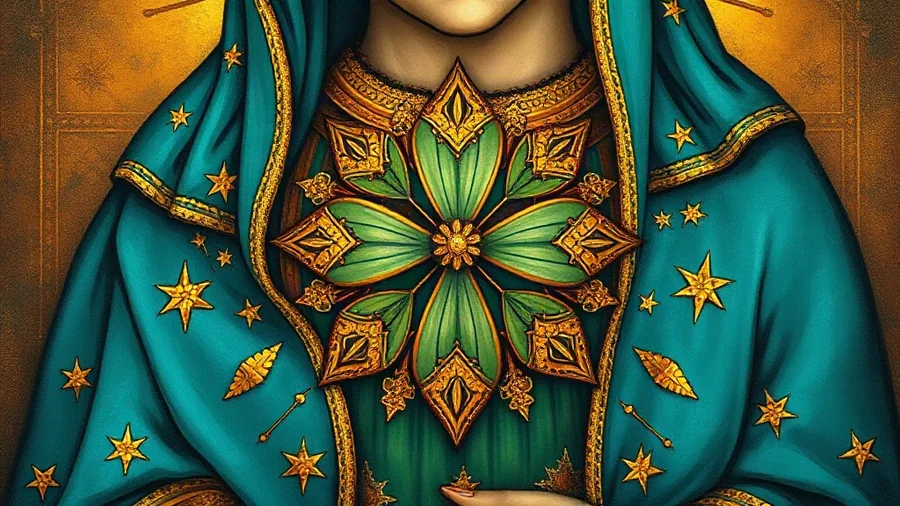
The symbolism inherent in the Guadalupan image further informs the spiritual meaning of the vow. The stars on her mantle, the black sash of pregnancy, and the rays of the sun all signify her role as the Queen of Heaven and the bridge between the celestial and the terrestrial. When a believer makes a *manda*, they are essentially stepping into this bridge. The act of promising a pilgrimage or an offering is a symbolic "walking" toward the Divine. It represents a movement from the periphery of grace toward the center, where the image of the Virgin acts as a window to the Infinite. The *manda* is, therefore, a spiritual exercise in hope (*Spes*), the theological virtue that allows the believer to trust in a grace that is not yet visible.
Furthermore, the fulfillment of the *manda* carries a profound meaning of justice and integrity. In Catholic morality, a promise made to God or His saints is a matter of conscience. Fulfilling the vow is an act of truthfulness and gratitude. It prevents the faith from becoming a consumerist relationship where one asks for favors but forgets the Giver. The discipline required to fulfill a *manda*—whether through fasting, prayer, or a physical journey—serves as a form of penance. This asceticism purifies the soul, reminding the devotee that while grace is a free gift, the human response should be one of sacrifice and devotion.
Ultimately, the spiritual meaning of the *manda* culminates in the concept of *Gratitude*. In the Catholic tradition, gratitude is not merely a feeling but a liturgical act. By fulfilling a vow, the believer transforms a private miracle into a public testimony of God's mercy. The *manda* thus becomes a pedagogical tool for the faith: it teaches the believer to be attentive to the movements of Providence, to recognize the hand of God in their life, and to respond with a heart that is open, humble, and eternally grateful to the intercession of the Virgin of Guadalupe.
As a curator of sacred jewelry, I observe that the *manda* often finds its physical expression in the realm of orfebrería (goldsmithing). The choice of materials is never arbitrary; it is governed by a theology of beauty and permanence. For centuries, the most prestigious vows have been fulfilled through the offering of medals, rosaries, or ex-votos crafted in 14K gold and 925 sterling silver. Gold, the "metal of the sun" and the symbol of divine purity and royalty, is reserved for the most solemn promises, reflecting the eternal and incorruptible nature of the soul's bond with the Virgin. A 14K gold medal of Guadalupe is not a luxury item, but a sacred vessel of intention, designed to withstand the passage of time as a testament to a grace received.
Sterling silver (925) holds a distinct symbolic place in the Guadalupan tradition, often associated with the lunar qualities of the Virgin, who "treads upon the moon." Silver represents purity, reflection, and the clarity of faith. In the context of a *manda*, a silver necklace or a finely chased medal serves as a visible sign of the devotee's commitment. The craftsmanship of these pieces—often involving *repoussé* and *chasing* techniques to create a three-dimensional image of the Virgin—adds a layer of artistic devotion. The tactile nature of the metal, its weight against the chest, serves as a constant physical reminder of the vow and the intercession that was sought.
When selecting a piece of sacred jewelry to fulfill a *manda*, the hallmarks of authenticity are paramount. A genuine 925 silver mark or a 14K gold stamp ensures that the offering is honest and durable. From a curatorial standpoint, the integrity of the metal reflects the integrity of the vow. I always recommend that these pieces be crafted by artisans who understand the iconography of the Virgin—ensuring that the proportions of the mantle, the position of the hands in prayer, and the surrounding rays of light are executed with theological precision. A poorly rendered image diminishes the devotional value of the object.
The care of these heirloom pieces is, in itself, an act of devotion. Sacred jewelry should be cleaned with reverence, using soft cloths and non-abrasive methods to preserve the patina of age, which represents the history of the family's faith. When a medal is passed from a grandmother to a granddaughter, it carries with it the "spiritual fragrance" of the original *manda*. These objects become relics of familial grace, bridging the gap between the living and the departed. By investing in high-quality precious metals, the believer ensures that the physical manifestation of their gratitude will endure for generations, serving as a silent, shining witness to the enduring mercy of Our Lady of Guadalupe.
14K Gold Plated / Baño de Oro 14K con acabado de orfebrería fina.
Prime Delivery Guaranteed
Devotional Cord & Wood / Cordón y Madera con acabado de orfebrería fina.
Prime Delivery Guaranteed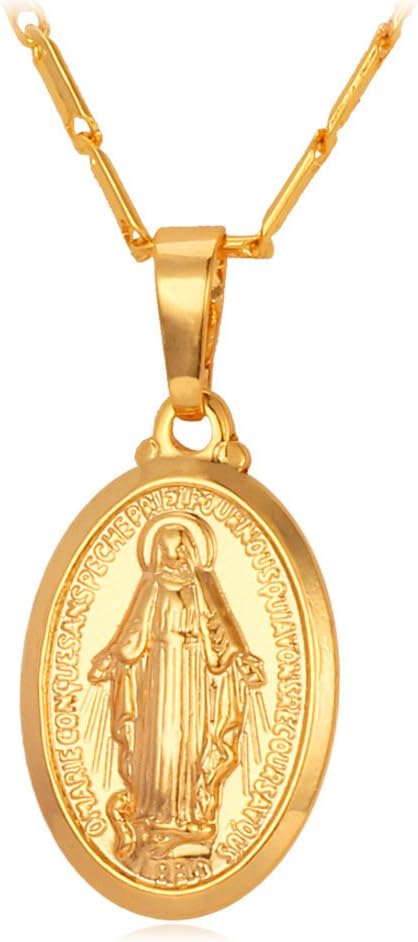
18K Gold Plated / Baño de Oro 18K con acabado de orfebrería fina.
Prime Delivery GuaranteedWhen selecting a Guadalupana piece, always prioritize certified precious metals (solid nickel-free 14K gold or Italian 925 sterling silver). Upon receiving it, take it to your parish priest for a traditional Catholic blessing to consecrate it as an enduring sacramental of protection.

High-Quality Alloy / Aleación Metálica Duradera con acabado de orfebrería fina.
Prime Delivery Guaranteed
Stainless Steel / Acero Inoxidable con acabado de orfebrería fina.
Prime Delivery Guaranteed
18K Gold Plated / Baño de Oro 18K con acabado de orfebrería fina.
Prime Delivery GuaranteedTo make a *manda* with true reverence, one must first enter a state of interior silence. Begin by seeking a quiet space—ideally before an image of the Virgin or within a church—and start with a prayer of humility, such as the *Act of Contrition* or a simple prayer to the Holy Spirit. Clearly define your intention; avoid vague requests and instead state your need with precision and sincerity. Speak to the Virgin not as a distant entity, but as a loving Mother who listens with infinite tenderness. Once the petition is formulated, make a concrete and realizable promise. For example, "If I receive the grace of healing for my child, I promise to make a pilgrimage to the Basilica, attend a Novena of masses, and offer a silver medal in gratitude." The key is that the promise must be something you can actually fulfill without compromising your primary duties or financial stability. End the prayer with a gesture of surrender—such as kneeling or opening your hands—and a final expression of trust in God's will, acknowledging that while you ask for a specific grace, you submit to the Divine Providence.
Yes, it is highly recommended to have any devotional object—be it a gold medal or a silver rosary—blessed by a priest. A blessing is not a "magic spell" that increases the value of the metal, but a sacramental act that sets the object apart for a sacred purpose. The priest invokes the Holy Spirit to make the object a channel of grace and a reminder of the wearer's commitment to Christ. This transforms a piece of jewelry into a *sacramental*, providing spiritual protection and strengthening the devotee's prayer life. Regarding authenticity, one should always insist on certified hallmarks. For silver, look for the "925" stamp, indicating 92.5% purity. For gold, ensure the piece is marked "14K" or "585." I suggest purchasing from reputable goldsmiths who provide a certificate of authenticity. In the context of a *manda*, offering an authentic precious metal is a reflection of the sincerity of the heart; it is an offering of the best one has to give, mirroring the "yes" of Mary, which was the most precious offering ever made to God.
When selecting devotional jewelry, prioritize iconography over fashion. The image of Our Lady of Guadalupe is rich with symbolism; ensure that the medal you choose respects these traditional elements. For a *manda*, the piece should be chosen based on its ability to serve as a permanent reminder of the vow. I recommend a classic oval medal or a delicate cross integrated with the Guadalupan image. The scale of the piece should be appropriate for daily wear if the intent is to keep the vow present in your mind throughout the day. In terms of wearing these pieces, they should be treated with the respect due to a sacred object. It is traditional to wear the medal close to the heart, symbolizing the interiorization of the faith. If the jewelry is part of a fulfilled *manda*, it may also be offered to a sanctuary or kept as a family heirloom. Avoid wearing sacred medals in contexts that would be disrespectful or where they might be treated as mere ornaments. The jewelry is a sign of a spiritual covenant; thus, its presence on the body should be a constant call to prayer and humility.
The *manda* is a powerful tool for intergenerational faith transmission. When children witness their parents fulfilling a vow—whether by walking a certain distance, praying a specific rosary, or donating a piece of sacred jewelry—they learn that faith is not an abstract concept but a lived experience of commitment and gratitude. By documenting the "miracles" associated with these vows in a family journal or through the preservation of the offered jewelry, the family creates a spiritual archive. This teaches the younger generation that they are part of a lineage of grace and that the Virgin of Guadalupe is a constant presence in their family history. In the modern world, where everything is ephemeral and immediate, the *manda* introduces the concept of "sacred time" and "patient waiting." It encourages the family to pray together, to hope together, and to celebrate together when the grace is received. Integrating the fulfillment of a *manda* into family traditions—such as a yearly visit to a shrine or a monthly day of fasting—transforms the domestic space into a "domestic church." Thus, the *manda* ceases to be an individual act and becomes a collective journey of faith, ensuring that the devotion to Our Lady of Guadalupe remains a living, breathing legacy of love and trust in the Divine.
Affiliate Disclosure: As an Amazon Associate, this devotional portal earns from qualifying purchases at zero additional cost to you.
Find the perfect sacred piece in 3 simple steps
Handpicked based on your preferences and occasion