Laura's Selection

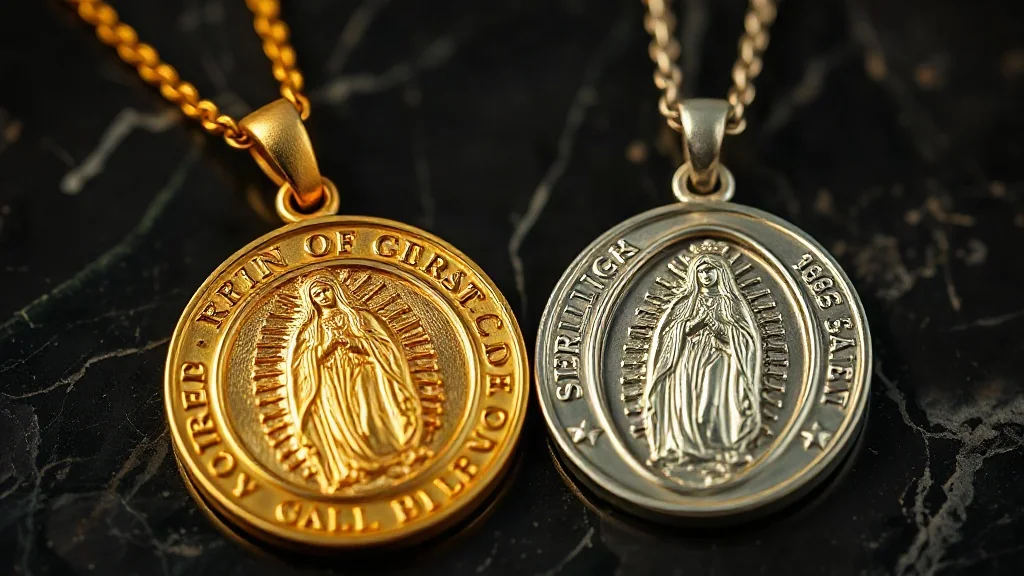
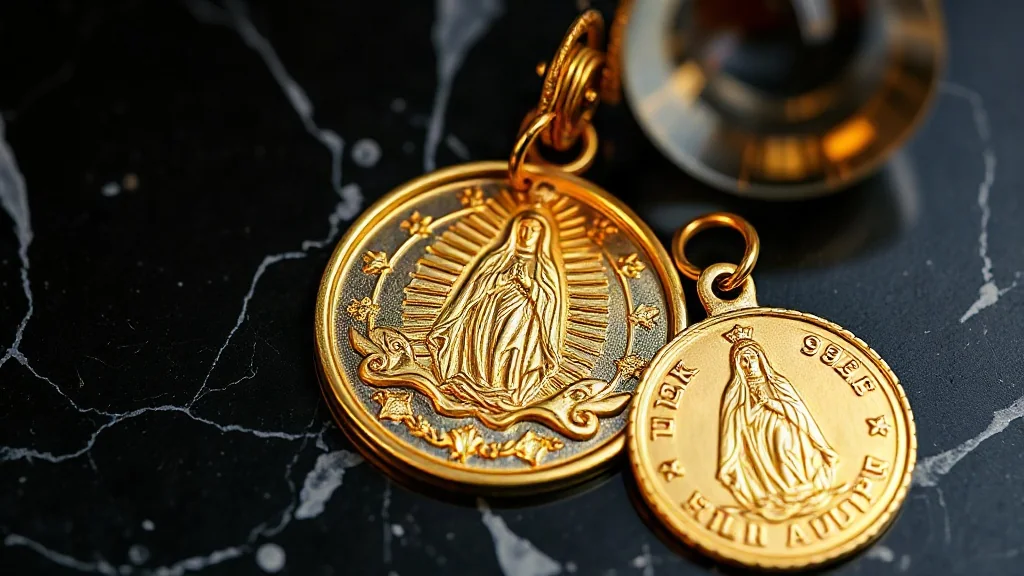
Gold Guadalupe Virgin Mary Necklace for Women Men Teens, 14K Gold
14K Gold Plated / Baño de Oro 14K con acabado de orfebrería fina.
Prime Delivery Guaranteed
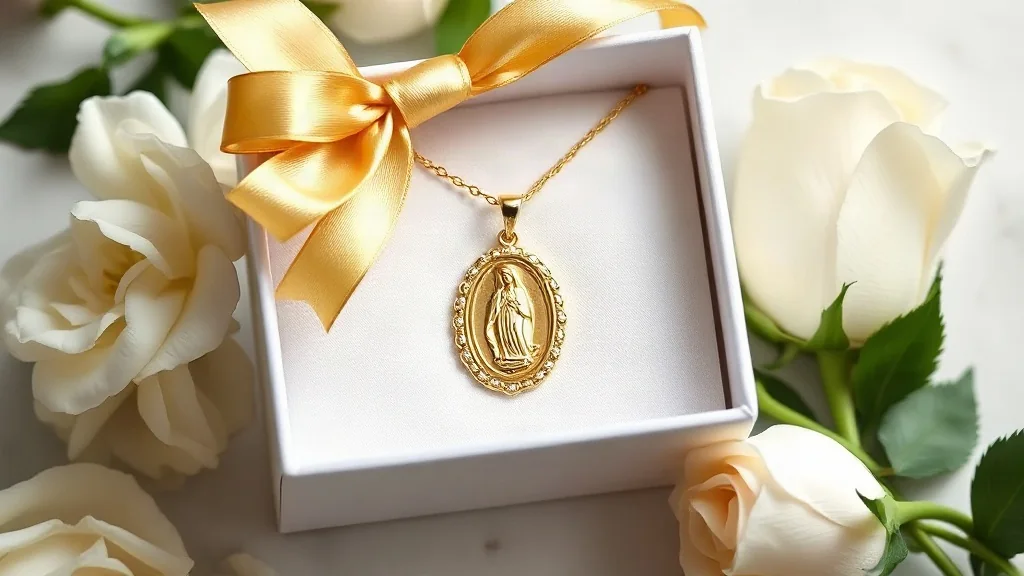
The intersection of masculine identity and religious devotion finds one of its most profound expressions in the acquisition and wearing of Guadalupe jewelry. For the Catholic man, a bold chain or a solid gold medal of the Virgin of Guadalupe is far more than an accessory of luxury or a mere aesthetic preference; it is a tangible manifestation of a spiritual covenant. In the contemporary landscape, where masculinity is often defined by strength and resilience, the act of wearing a devotional piece represents a sophisticated synthesis of fortitude and surrender. The "boldness" of the jewelry—the thickness of the Cuban link or the weight of a solid 18k gold medal—mirrors the robustness of a faith that does not hide, but rather announces itself with confidence and dignity. This jewelry serves as a portable sanctuary, a constant tactile reminder of the maternal protection and intercession of the Morenita, transforming the physical body into a living testament of divine patronage. From a curatorial perspective, the shift toward more substantial, "masculine" formats in Guadalupe jewelry reflects a deeper theological yearning for stability and protection. While traditional devotional jewelry was often delicate, the modern preference for thick Figaro or Gourmet chains suggests a desire to anchor the spiritual symbol within a framework of strength. The weight of the metal against the chest acts as a sensory anchor, grounding the wearer in the present moment while directing the heart toward the eternal. This synergy between the material and the mystical ensures that the piece of jewelry transcends its market value, becoming a sacramental object that facilitates a continuous dialogue between the believer and the Queen of Heaven. Thus, the selection of a solid medal is not merely a choice of metallurgy, but a decision to carry a visible sign of one's identity as a son of the Church and a devotee of the Guadalupan mystery.
The genesis of this devotion is inextricably linked to the events of December 1531 on the hill of Tepeyac, where the Virgin Mary appeared to the indigenous peasant Juan Diego Cuicapiltzin. This encounter was not merely a religious event but a cultural synthesis that laid the foundation for the Mexican identity and the subsequent expansion of Marian devotion across the Americas. The image of the Virgin, miraculously imprinted on the *tilma* of agave fibers, became the primary iconographic source for all subsequent goldsmithing. Early devotional objects were often modest, consisting of wooden carvings or small silver pendants produced by colonial artisans who blended European Baroque techniques with indigenous sensibilities. Over the centuries, the cult of Guadalupe evolved from a local phenomenon into a global symbol of hope and liberation, necessitating the creation of portable images that could accompany the faithful in their daily labors.
Throughout the 17th and 18th centuries, the production of religious medals in the New Spain viceroyalty saw a surge in the use of precious metals, as the Church sought to honor the Virgin with the finest materials available. The tradition of the "escapulario" and the devotional medal became standardized, serving as protective talismans—though theologically understood as sacramentals—for soldiers, explorers, and laborers. During this era, the craftsmanship of the medals began to evolve, moving from simple stamped discs to high-relief repoussé work, where the image of the Virgin was sculpted with a depth that allowed for a play of light and shadow, enhancing the celestial quality of the piece. This historical trajectory established the precedent that the value of the material (gold or silver) was a reflection of the value of the devotion.
The 19th and early 20th centuries witnessed the democratization of these devotional objects. With the rise of industrial minting and the expansion of jewelry workshops in Mexico City and Guadalajara, the Guadalupe medal became accessible to a broader spectrum of the population. However, the "masculine" aesthetic as we recognize it today—characterized by heavier chains and larger pendants—began to coalesce more strongly in the mid-to-late 20th century. As the cultural identity of the "Mexican man" evolved to integrate both traditional piety and a modern sense of presence, the jewelry adapted. The adoption of thicker links, such as the Cuban or the Gourmet style, allowed the devotional medal to remain the focal point without being overwhelmed by the wearer's physical stature or clothing.
In the current era, we observe a sophisticated convergence of heritage and luxury. The contemporary market for Guadalupe jewelry for men is no longer just about religious adherence but about "identity jewelry." The use of 18k solid gold and .925 sterling silver continues to be the gold standard, ensuring that these pieces are not merely disposable fashion items but heirloom assets. The chronology of the Guadalupe medal has thus moved from the miraculous fibers of a tilma to the refined furnaces of the master goldsmith, evolving from a secret sign of faith to a bold declaration of spiritual lineage and cultural pride.
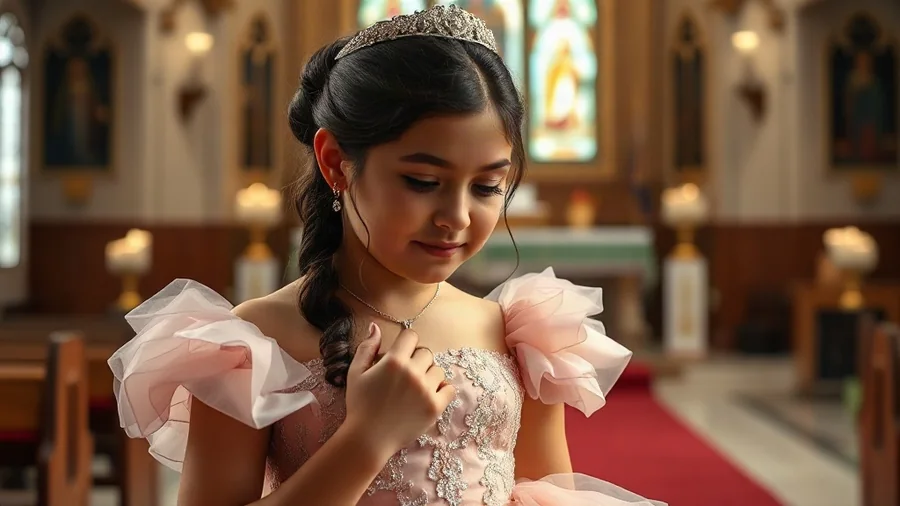
To understand the significance of Guadalupe jewelry, one must first delve into the Mariology that sustains it. The Virgin of Guadalupe is not worshipped as a deity, but venerated as the *Mediatrix* of all graces. In Catholic theology, Mary is the bridge that leads the believer to Christ. Therefore, when a man wears a Guadalupe medal, he is not focusing on the metal or the image itself, but on the person of Mary as a pointer toward her Son. The image of the Virgin, surrounded by a mandorla of rays, standing upon the moon and clothed in a starry mantle, is a visual compendium of biblical prophecy and theological truth. It represents the victory of light over darkness and the maternal embrace that encompasses all humanity, regardless of social or ethnic origin.
The specific choice of "bold" and "solid" jewelry for men carries a subtle but profound theological resonance. In the biblical tradition, strength is often associated with the protection of the weak and the steadfastness of faith. By pairing the image of the Virgin—the epitome of humility and maternal tenderness—with a robust, heavy chain, the wearer symbolizes the integration of these two virtues: the strength to protect and the humility to serve. It is a reminder that true masculinity is found in the capacity to be a protector under the protection of the Mother of God. The weight of the medal against the chest serves as a constant, physical reminder of the "yoke" of Christ, which is light, and the intercession of Mary, which is ceaseless.
Furthermore, it is crucial to distinguish between the use of a devotional medal as a "sacramental" versus an "amulet." In a superstitious context, an amulet is believed to possess intrinsic magical powers to change fate. However, in the Catholic tradition, a Guadalupe medal is a sacramental—a sacred sign that prepares the heart to receive grace and disposes the believer to a more fruitful spiritual life. The jewelry does not "grant" protection by its own merit; rather, it is the faith of the wearer and the intercession of the Virgin that provide the spiritual shield. The gold or silver is simply the noble medium through which this invisible reality is made visible, reflecting the glory of God through the beauty of the material world.
Finally, the act of wearing this jewelry in the public sphere is an act of "public witness." In an increasingly secularized world, the decision to wear a large, unmistakable image of the Virgin of Guadalupe is a courageous statement of belonging. It signals to the world that the wearer is not an isolated individual, but part of a mystical body—the Church—and a specific cultural tradition of faith. The jewelry thus becomes a catalyst for conversation and a silent sermon, testifying to the enduring relevance of the Guadalupan message of love, mercy, and divine proximity in the heart of the modern man.
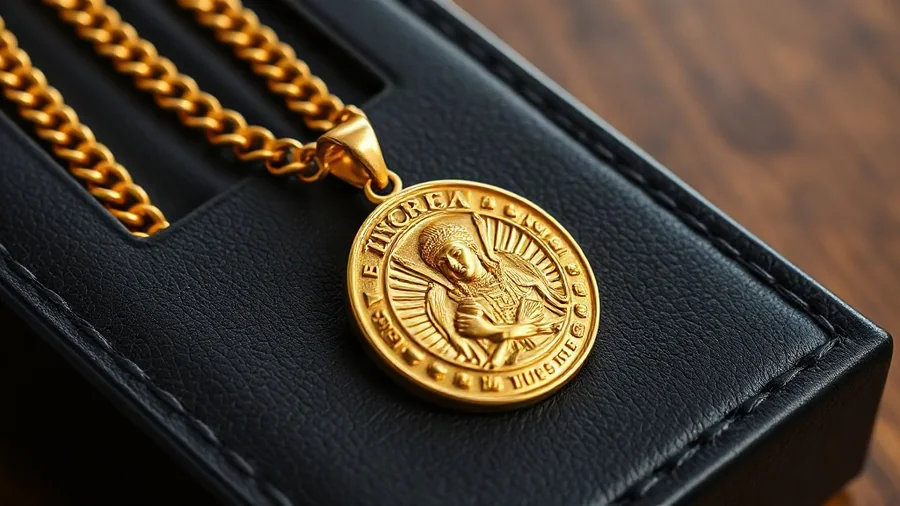
The creation of high-end Guadalupe jewelry requires a mastery of metallurgy that balances durability with artistic precision. For the discerning man, the choice of material is paramount, as the piece is intended to withstand the rigors of daily wear while maintaining its luster for generations. **18k Solid Gold** remains the pinnacle of this craft. Composed of 75% pure gold alloyed with other metals to provide structural integrity, 18k gold offers a rich, deep yellow hue that symbolizes the divine light and the incorruptibility of the soul. In "macizo" (solid) pieces, the value lies in the density of the metal; a solid gold medal does not possess a hollow core, ensuring that the relief of the Virgin's image is crisp and the overall weight provides a satisfying, grounding sensation.
**Sterling Silver (.925)** serves as the elegant alternative, offering a luminous, cool brilliance that has been associated with purity and the lunar symbolism of the Virgin since the colonial era. Silver jewelry is particularly prized for its versatility and its ability to be intricately detailed. The "925" hallmark is the guarantee of quality, indicating that the piece contains 92.5% pure silver. For men, silver chains in Cuban or Figaro styles provide a sophisticated aesthetic that balances the boldness of the link with the understated nature of the metal. Proper care of silver—avoiding harsh chemicals and utilizing soft polishing cloths—ensures that the patina of time enhances rather than diminishes the piece's beauty.
The technical execution of the chain is as critical as the medal itself. The **Cuban link**, characterized by interlocking round or oval links that lie flat against the skin, is favored for its immense strength and visual impact. The **Figaro chain**, with its pattern of three small links followed by one elongated link, offers a rhythmic elegance that is classic yet bold. For those seeking maximum presence, widths of 6mm, 8mm, or even 10mm are preferred. The integrity of the closure—often a heavy-duty lobster claw or a reinforced box clasp—is essential, as it must support the weight of a solid, oversized Guadalupe pendant without risking failure. A poorly constructed chain can deform under the weight of a heavy medal, which is why curated pieces emphasize the symmetry and tension of the weave.
Beyond solid gold and silver, the market offers **gold-filled (laminado)** or **gold-plated (chapado)** options. While these provide the aesthetic of gold at a lower price point, the curator must note that they lack the heirloom quality of solid metals. Gold-filled jewelry involves a thick layer of gold mechanically bonded to a base metal, offering significantly more durability than plating. However, for a piece intended to be passed down through generations as a family legacy, solid 14k or 18k gold is the only viable choice. The process of "hallmarking" serves as the final seal of authenticity, providing a legal and technical guarantee of the metal's purity, which is indispensable for any serious collector of sacred jewelry.
14K Gold Plated / Baño de Oro 14K con acabado de orfebrería fina.
Prime Delivery Guaranteed
Stainless Steel / Acero Inoxidable con acabado de orfebrería fina.
Prime Delivery Guaranteed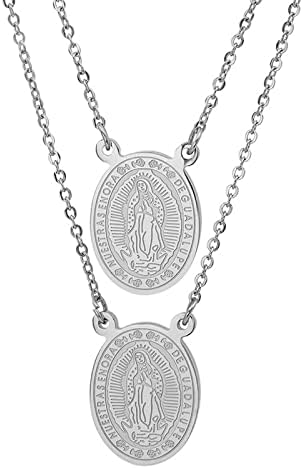
18K Gold Plated / Baño de Oro 18K con acabado de orfebrería fina.
Prime Delivery GuaranteedWhen selecting a Guadalupana piece, always prioritize certified precious metals (solid nickel-free 14K gold or Italian 925 sterling silver). Upon receiving it, take it to your parish priest for a traditional Catholic blessing to consecrate it as an enduring sacramental of protection.

14K Gold Plated / Baño de Oro 14K con acabado de orfebrería fina.
Prime Delivery Guaranteed
18K Gold Plated / Baño de Oro 18K con acabado de orfebrería fina.
Prime Delivery Guaranteed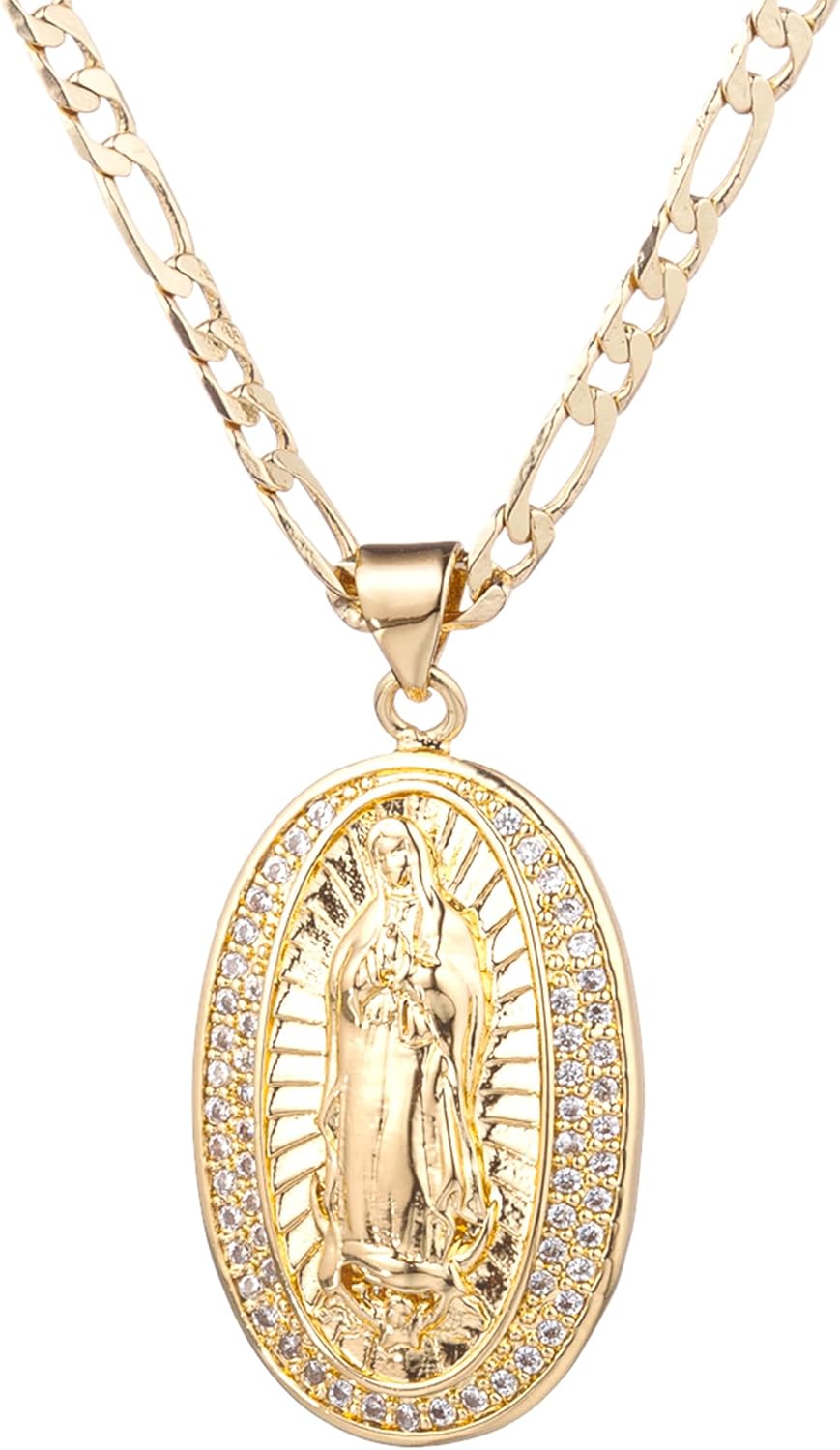
14K Gold Plated / Baño de Oro 14K con acabado de orfebrería fina.
Prime Delivery GuaranteedThe choice between a Cuban and a Figaro chain depends largely on the desired "visual weight" and the occasion of use. A Cuban chain is the epitome of strength and solidity; its tight, interlocking structure creates a continuous band of metal that is highly resistant to stretching and breakage. This makes it the ideal choice for larger, heavier solid gold medals, as it provides a balanced frame that matches the "boldness" of the pendant. It is a statement of power and unwavering faith, best suited for those who prefer a modern, assertive aesthetic. In contrast, the Figaro chain offers a more traditional and rhythmic elegance. The variation in link length creates a visual lightness that prevents the jewelry from feeling overly cumbersome, while still maintaining a masculine presence. If the Guadalupe medal is of medium size or intended for daily wear under a shirt, the Figaro chain provides a sophisticated balance. Ultimately, the decision rests on whether the wearer wishes to project a sense of absolute solidity (Cuban) or a refined, classic devotion (Figaro).
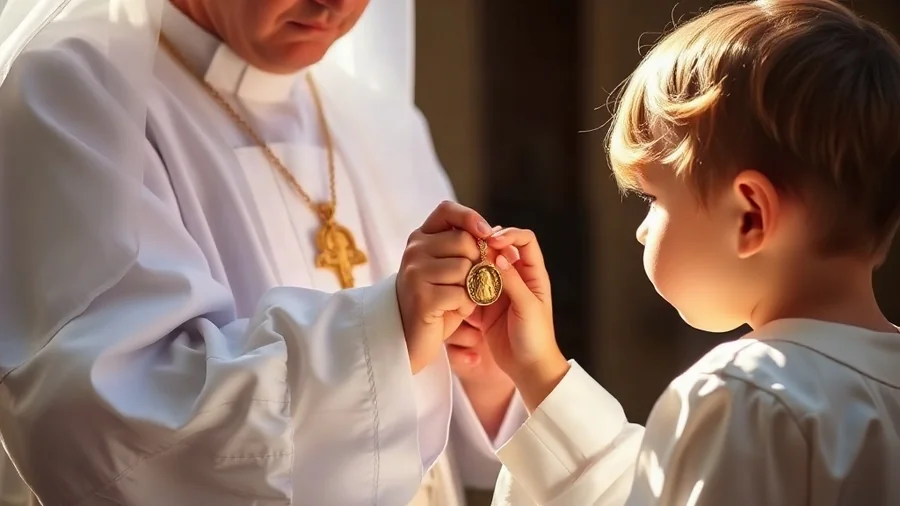
From a theological standpoint, having a devotional piece blessed by a priest is highly recommended, although not strictly required for the piece to be a sign of faith. A blessing is a sacramental act; the priest prays that the object be used as a reminder of God's grace and a protection against spiritual adversity. The blessing does not "charge" the metal with magic, but rather sets the object apart for a sacred purpose, transforming a piece of fine jewelry into a spiritual tool. This practice deepens the bond between the wearer and the object, reminding them that the jewelry is a conduit for prayer. Regarding authenticity, a priestly blessing has no effect on the physical or chemical properties of the metal. Whether the piece is 18k gold or .925 silver, the blessing is a spiritual overlay. However, it is always advised to ensure the metal's authenticity via hallmarks (such as the "750" stamp for 18k gold or "925" for silver) before the blessing, as the act of consecrating a piece of jewelry is a gesture of honor. Using authentic, noble metals to house a sacred image is seen as a fitting tribute to the dignity of the Virgin Mary.
Selecting the correct width is a matter of proportion and physics. For a small or medium medal (up to 20mm in diameter), a chain width of 3mm to 5mm is usually sufficient. This ensures that the medal remains the focal point without being overshadowed by the chain. However, for "solid" or "large" Guadalupe pendants, which are common in masculine devotional jewelry, a thickness of 6mm to 10mm is recommended. A chain that is too thin will not only look disproportionate but may also suffer from structural fatigue due to the constant pull of a heavy gold or silver pendant. Furthermore, the length of the chain (typically 50cm to 60cm for men) should be considered alongside the thickness. A 10mm Cuban chain at 60cm provides a commanding presence and allows the medal to sit centrally on the chest, providing a clear visual anchor. When selecting, one should hold the medal against the chain to ensure the "bail" (the loop at the top of the medal) can slide freely. If the chain is too thick for the bail, it will not only be impractical but will also disrupt the elegant drape of the piece.
Yes, high-quality Guadalupe jewelry in solid gold or silver is specifically designed to be a multi-generational legacy. Because these metals do not corrode and maintain their intrinsic value, they become "spiritual anchors" for a family. When a father passes a solid gold Guadalupe medal to his son, he is not merely transferring a financial asset; he is transmitting a spiritual heritage. The piece carries with it the memory of the previous wearer's prayers, struggles, and triumphs, becoming a physical link between ancestors and descendants. This tradition significantly enhances family prayer by providing a tangible point of connection. For many families, the act of putting on a devotional piece before a novena or during the Feast of the Virgin (December 12th) becomes a ritual of identity. The jewelry serves as a conversation starter between generations, where elders can share stories of faith and protection associated with the medal. In this way, the Guadalupe jewelry transcends the realm of fashion and enters the realm of the domestic church, fostering a continuous line of devotion that binds the family together under the mantle of the Virgin.
Affiliate Disclosure: As an Amazon Associate, this devotional portal earns from qualifying purchases at zero additional cost to you.
Find the perfect sacred piece in 3 simple steps
Handpicked based on your preferences and occasion